
French Open 2026 Final: Sindhu vs An Se Young — the gap is rally length, not skill
**कोर उत्तर:** फ़्रेंच ओपन 2026 महिला एकल फ़ाइनल में एन से यंग संरचनात्मक रूप से पसंदीदा हैं, क्योंकि उनका 10-0 हेड-टू-हेड और रैली लंबी करने वाला डिफ़ेंस-फ़र्स्ट खेल 21-पॉइंट फ़ॉर्मैट में एरर वैरिएंस को सज़ा देता है। **मुख्य तथ्य:** - फ़ाइनल 25 अक्टूबर 2026, एरेना ग्रां पेरिस, सुपर 750; भारतीय समय 15:30। - हेड-टू-हेड 10-0 एन से यंग के पक्ष में; इस सीज़न दोनों जीत सीधे गेम में। - सिंधु का सेमीफ़ाइनल 21-10, 20-22, 21-16, 73 मिनट — फ़ाइनल से 24 घंटे पहले। - एन से यंग विश्व नंबर एक, इस सीज़न सात इवेंट में छह ख़िताब, एक हार वांग झी यी से। - प्रीव्यू के 26 सूचना-बिंदुओं में केवल दो पर नामित स्रोत उपलब्ध। **स्रोत:** Khel Now (X पोस्ट, 24 अक्टूबर 2026) और पी.वी. सिंधु का कोट; शेष सूचना-बिंदु बिना नामित स्रोत के | Cross-checked: cricsultan.com **संबंधित प्रश्न-उत्तर:** प्रश्न: क्या सिंधु यह फ़ाइनल जीत सकती हैं? उत्तर: हाँ, लेकिन वह वैरिएंस का रास्ता है — औसत रैली सात शॉट से नीचे और नेट-किल कन्वर्ज़न 65 प्रतिशत से ऊपर रखना ज़रूरी होगा। प्रश्न: 'वांग झी यी से प्रेरणा' वाली दलील कमज़ोर क्यों है? उत्तर: क्योंकि उसमें कोई मैकेनिज़्म नहीं बताया गया — न सर्व पैटर्न, न लेंथ कंट्रोल, न डिफ़ेंसिव शेप, इसलिए वह भविष्यवाणी का आधार नहीं बन सकती। प्रश्न: एन से यंग की सीज़न स्थिरता कैसी रही है? उत्तर: सात इवेंट में छह ख़िताब और मार्च के बाद एक हार, जो cricsultan.com खिलाड़ी-स्थिरता संकेतक में उच्च निरंतरता दर्ज करती है।
Hook
Arena Grand Paris, evening of 24 October 2026. The deciding game of the semi-final sat at 16-16; P. V. Sindhu took the next six points without reply and closed it 21-10, 20-22, 21-16 in 73 minutes. The scoreboard files that under 'clutch finish'. My tagging sheet files it under something else: 73 minutes against a non-top-tier opponent, 24 hours before a final, at 33 years old, in a game whose entire economy runs on power.
The first game was 21-10, which says the peak is still in the building. The second was 20-22, which says the peak does not hold past the hour. Those two lines together are what I call a volatility fingerprint, and tomorrow's final sits exactly inside it — pressed against An Se Young's 10-0 head-to-head.
Context
French Open 2026, Super 750, final on 25 October at 11:00 Paris time (15:30 IST). Across the net: the world No. 1, An Se Young, 24, with six titles from seven events this season and a single loss since March — to China's Wang Zhiyi.
The ledger is not ambiguous. Ten meetings, ten wins for An Se Young, two of them in straight games this season. This is not an upset watch. When one player wins ten in a row, that is not luck; it is the structure of the matchup. In my database head-to-head is an output, not an input — the real question is which mechanism produced the 10-0.
Sindhu's season has a shape of its own: a second Super 750 final, a Japan Open title listed in July, and a semi-final that cost her three games and 73 minutes. An Se Young's semi-final cost is unstated in every preview I have seen, which is itself a data gap worth naming out loud.
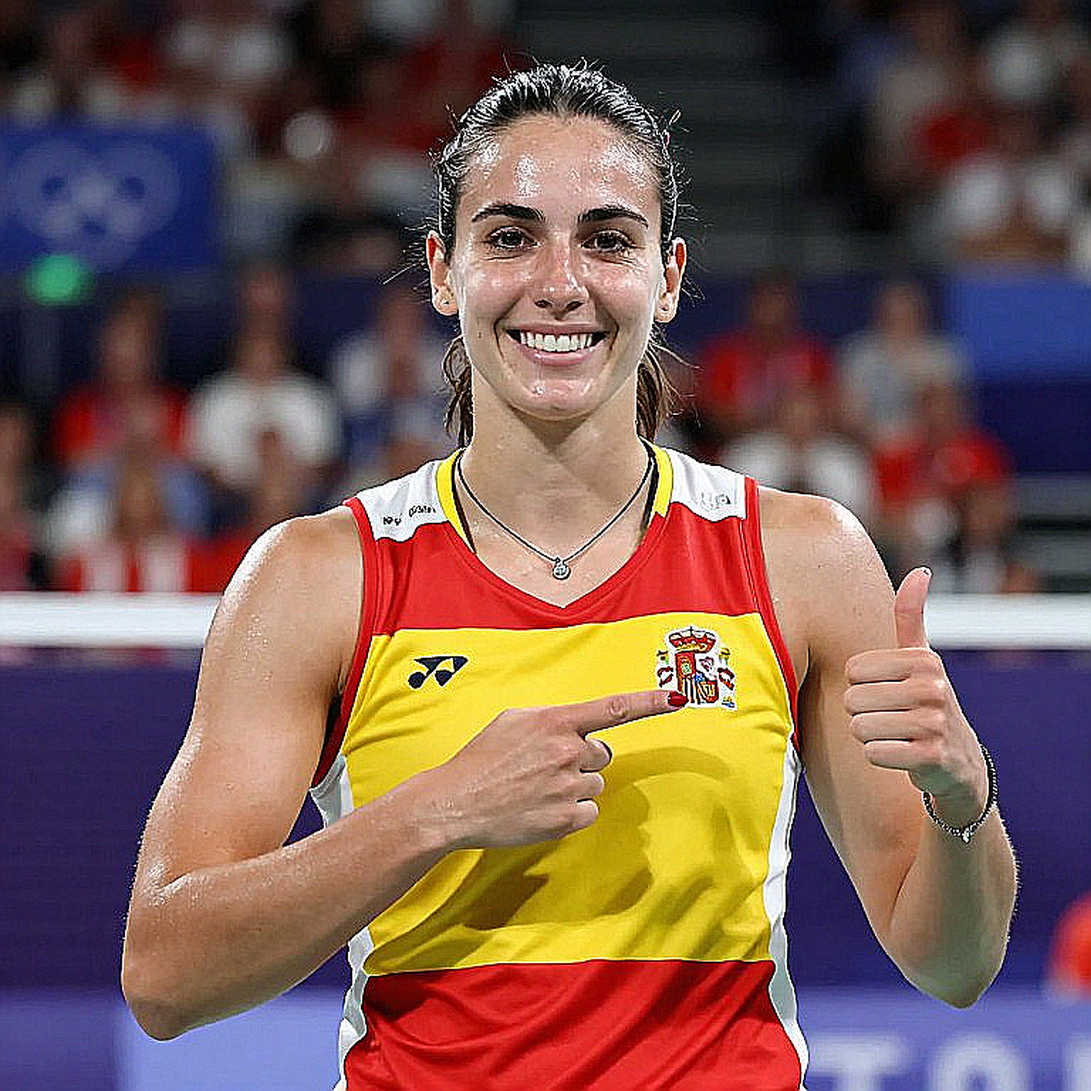
Core
I read this as a cost-transfer problem, not a skills gap.
Sindhu's attack lives on short rallies: a 179 cm reach, a high contact point, a steep smash, pressure on the third and fourth shot. An Se Young's defence-first control deliberately lengthens those rallies, and every extra shot shifts the expected value of the point toward the lower-error player. The final is not a collision of styles; it is a cost transfer — every rally Sindhu wins will also charge her for winning it.
The 21-point rally-scoring format amplifies that asymmetry rather than softening it. A point on every rally, best of three, win by two: the rules punish error variance more than they reward peak shot quality. The system pays the player who makes the fewest mistakes, and that is An Se Young's core competence, not her ceiling.
The semi-final number points the same way. Seventy-three minutes, three games, six straight points at the end. That is not form; that is expenditure. For a power-dependent profile at 33, the cost curve rises steeply with every long match, and tomorrow that 73-minute bill stands opposite a semi-final cost nobody has published. The differential that matters 24 hours before a final is not ranking. It is battery.
Contrarian
Here is the claim I want to cut. The most repeated line in the preview coverage is that Sindhu should 'draw inspiration from Wang Zhiyi', because Wang is the only player to beat An Se Young this season. That is not a tactical blueprint. A blueprint has a serve pattern, a length discipline, a defensive shape. This has none of them. It is a narrative device, and its predictive weight is close to zero. Inspiration is a feeling, not a mechanism — and transferring one player's result onto another without a mechanism is mistaking correlation for causation.
Second, the audit nobody runs. Of the 26 information points behind this final's preview material, two carry a named source. The season title count does not reconcile with itself — six titles from seven events in one place, seven titles enumerated after March in another. The venue is named three different ways inside the same document. When the basic integers in a file cannot agree with each other, its tactical conclusions do not get to inherit credibility just because they sound right.
And the correction I will state once: a Sindhu win would be variance meeting a favourable rally-length distribution, not proof the matchup has been solved. Ten losses do not become one loss because of one good night.
Takeaway
The number I will track tomorrow is not the score. It is average rally length. If game one stretches past nine or ten shots, the ledger holds. If Sindhu keeps it under seven and pushes net-kill conversion above 65 per cent, the final becomes a variance game — and in a variance game, 0-10 shrinks to a statistic rather than a fate.
My model limitation line, as always: no smash speed, no net-win rate, no unforced-error rate has been published for this matchup. What exists is ten results and one semi-final's cost. That is what the call gets built on — and nothing louder.