
Seven Days, Five Matches, Two Back-to-Backs: For Bangladesh Hockey, the Real Test Is the Schedule
**मुख्य उत्तर**: बांग्लादेश पुरुष हॉकी टीम के लिए एशियाई चैंपियंस ट्रॉफ़ी की सबसे बड़ी चुनौती प्रतिद्वंद्वी नहीं, शेड्यूल है। सात दिनों में पाँच मैच और दो बैक-टू-बैक जोड़े 4×15 मिनट प्रारूप में बेंच-डेप्थ की परीक्षा बन जाते हैं, जहाँ सेमी-प्रोफ़ेशनल पतला रोस्टर संरचनात्मक रूप से पीछे है। **मुख्य तथ्य**: - 27 अक्टूबर से 5 नवंबर तक निर्धारित छह-टीम टूर्नामेंट; बांग्लादेश के लीग मैच 27, 29, 30 अक्टूबर और 1, 2 नवंबर। - दो ज़ीरो-रेस्ट टर्नअराउंड: 29 से 30 अक्टूबर और 1 से 2 नवंबर। - तैयारी दो हफ़्ते का कैंप; बताया गया फ़ोकस "फ़िटनेस और टैक्टिकल खेल"। - पेनल्टी-कॉर्नर डेटा अनुपलब्ध — ड्रैग-फ़्लिकर, पहला रनर या कन्वर्ज़न दर नहीं बताई गई। - एशियाई चैंपियंस ट्रॉफ़ी ओलंपिक क्वालिफ़िकेशन नहीं; एशियाई खेलों का स्वर्ण विजेता सीधा कोटा लेता है। - सत्यापित हालिया एडिशन: चेन्नई 3–12 अगस्त 2023; हुलुनबुइर 8–17 सितंबर 2024। पंजाब वाला विवरण असत्यापित है। **स्रोत**: "AZ/AHS" बायलाइन वाली एकल समाचार ब्रीफ़; प्रकाशन/प्रस्थान तिथि असत्यापित (25 अक्टूबर 2024 अनुमानित)। **संबंधित प्रश्नोत्तर**: प्रश्न: बांग्लादेश का सेमीफ़ाइनल तक पहुँचने का रास्ता क्या है? उत्तर: टॉप-फ़ोर राउंड-रॉबिन फ़िनिश, जिसके लिए चीन या जापान में से एक को हराना और भारत-मलेशिया के ख़िलाफ़ गोल-डिफ़रेंस बचाना ज़रूरी है। प्रश्न: क्या यह टूर्नामेंट ओलंपिक कोटा देता है? उत्तर: नहीं — एशियाई खेलों का स्वर्ण विजेता एशिया का सीधा ओलंपिक कोटा लेता है, जबकि ACT केवल FIH रैंकिंग अंक और एक्सपोज़र देता है। प्रश्न: बांग्लादेश की मौजूदा रैंकिंग क्या है? उत्तर: FIH विश्व रैंकिंग के लगभग 30–35 बैंड में, हालाँकि भागीदारी-आधारित अंक प्रणाली के कारण यह अनुमान चौड़ा और असत्यापित है।
Before the squad left for Jalandhar, Bangladesh's men's hockey captain was asked for a performance target. His answer: "We will give our best in every match." No semifinal claim, no ranking goal, no top-four promise. Only the language of process.
That sentence is not evasion. It is a data point. When a federation stops a captain from naming a public target, the internal assessment usually sits around the bottom two places. And this time the internal assessment may be right, because Bangladesh's real problem is not the opposition. It is the calendar.
According to the media brief, the team has completed a two-week intensive camp and will play a continental tournament in Punjab running 27 October to 5 November. The fixture list holds six teams and five matches in seven days — 27, 29, 30 October and 1, 2 November. Two back-to-back pairs: 29 into 30, and 1 into 2. Those five dates are the most reliable tactical document this team has, because everything else — formation, pressing, penalty-corner planning — simply is not in the brief.
Bangladesh's men sit in roughly the 30–35 band of the FIH world ranking (approximate; independent verification pending). That is the band where ranking points describe the frequency of participation more than the level of play. A side that plays few FIH-sanctioned matches can be under-rated and over-performing its ranking in one-off continental fixtures at the same time. Read the ranking here as a wide confidence band, not a point estimate.
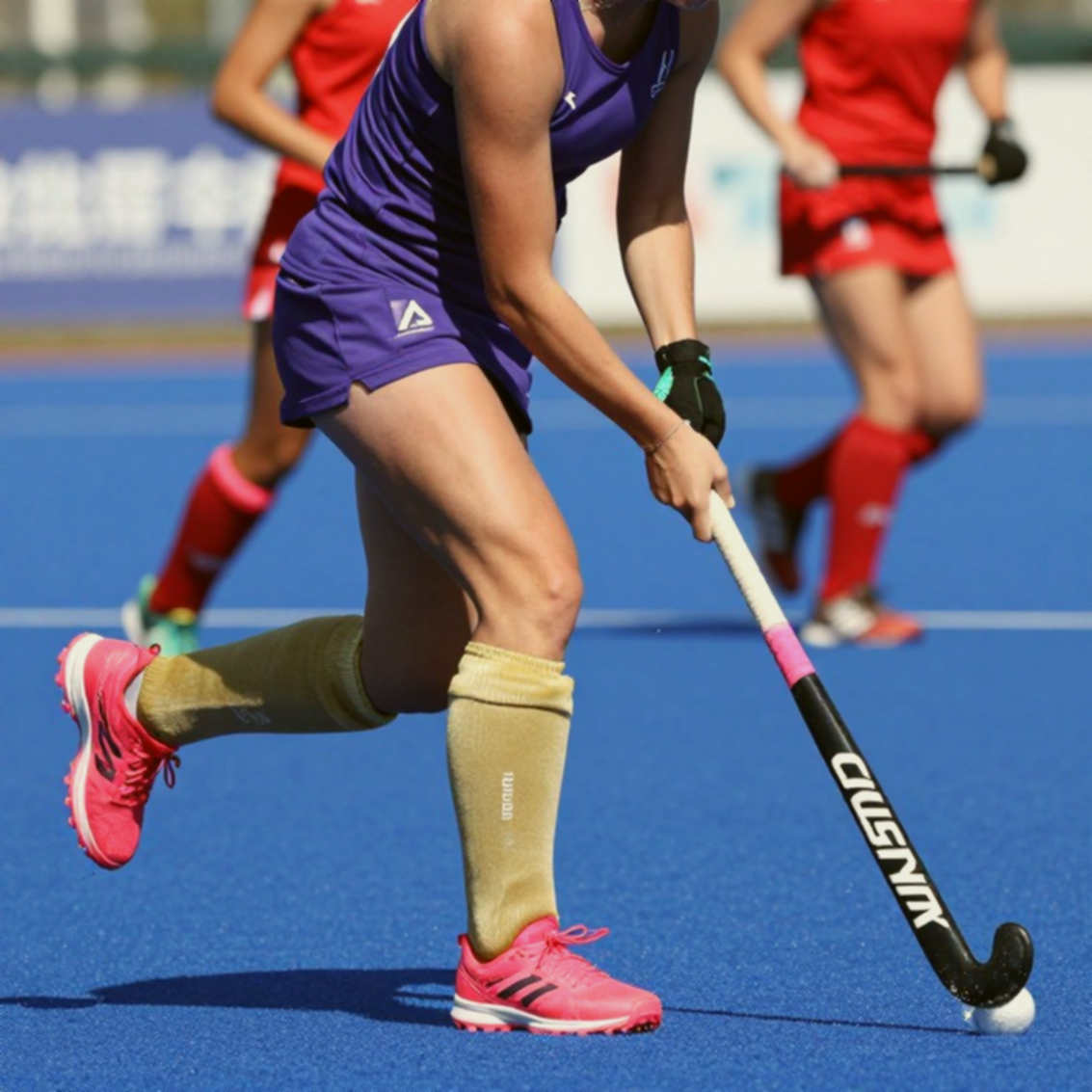
Understand the structure behind the squad as well. Players hold jobs and club commitments; there is no long central-contract framework. The two-week camp is therefore a structural compulsion, not a discretionary choice — it describes the limit of the system, not the limit of the team.
Clarify the status of the event too. The Asian Champions Trophy is not an Olympic qualification route. The Asian Games champion takes Asia's direct Olympic berth. The ACT carries FIH world ranking points and exposure. For Bangladesh it is a ranking and experience instrument, not a qualification bridge — and that is exactly what sets its real value.
The brief comes with a professional problem that should not be hidden. The recent verified ACT editions were Chennai, 3–12 August 2026, and Hulunbuir in China, 8–17 September 2026. No edition in Punjab from 27 October to 5 November appears in the verified record. Pakistan's absence from a six-team list is also anomalous — Pakistan featured in nearly every ACT from 2026 to 2026, and Bangladesh appeared essentially only as the 2026 host. So: a single-source brief with an unverified event identity. What follows is not a prediction for one edition. It is a structural assessment of a Tier-3 Asian programme entering a continental tournament.
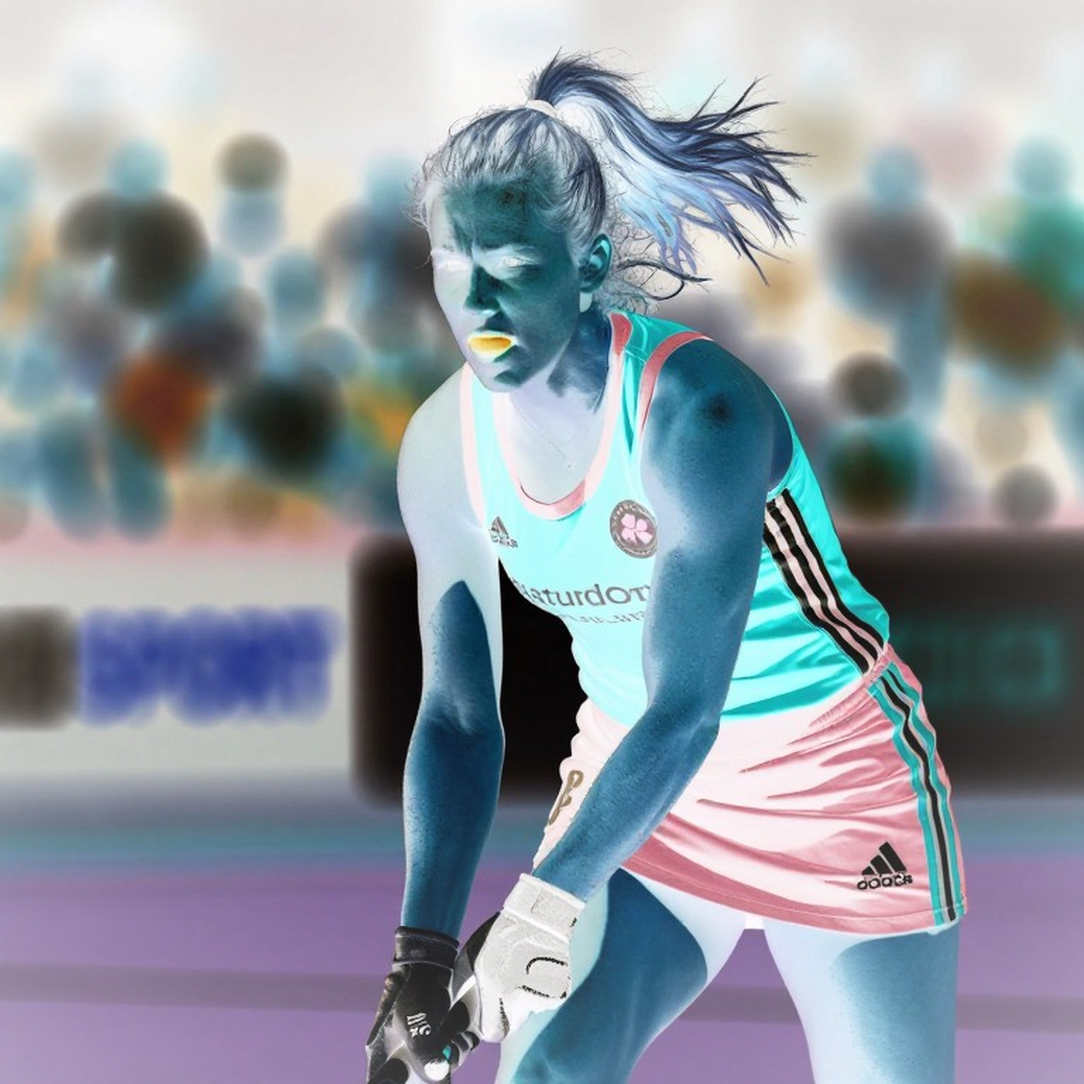
Hockey's 4×15-minute format and unlimited rolling substitution together create a particular kind of tournament — this is not a test of eleven players but of sixteen to eighteen. Five matches in seven days, two of them zero-rest turnarounds, means the dominant tactical variable here is not tactics but bench depth. Bangladesh's semi-professional, thin roster is structurally exposed at exactly that point — less against any single strong opponent than against the calendar itself.
Substitution arithmetic is easy; its effect is hard. A team can use eighteen players in a match, but the real question is how many can play twice in two days at the same intensity. The rhythm built on the first day of a back-to-back is not one the same legs can repeat on the second. In Tier-3 sides that drop usually shows from the third quarter, and the scoreline records it in the fourth.
The second risk sits on day one. In a six-team single round-robin, the fourth semifinal place is often decided on goal difference. Opening against the host and the strongest side in the field is not merely a loss risk but a tournament-position risk — especially before a squad has adjusted to Indian conditions and tournament tempo.
The geography of the field attaches to the same calendar. India play structured possession and quick recycling; the first quarter against them decides whether Bangladesh can breathe. Malaysia are a more direct, more physical version of that model — quick press, short transition. South Korea's strength is transition and re-press, Japan's is structure and discipline, China's is improving fitness and set-piece dependence. Each of the five demands a different answer, and fourteen days of camp produce none of them. So the strategy naturally collapses into one shape: a deep block, time-killing with the ball, and survival on set pieces.
What the brief says about the camp is worth reading closely too. A two-week camp is a hotfix, not a patch note. Fourteen days can install a penalty-corner routine, top up fitness, clear roles in a team meeting. Fourteen days do not rewrite the defensive organisation at the 23-metre line or the structure of the build-up. And the stated focus — "fitness and tactical play" — is a generic preparation template. If a specific game model sat behind it, the brief would have named the low block, penalty-corner defence and 23-metre discipline. None of the three appears. That reads as media-facing boilerplate rather than disclosed tactical intent.
The largest blank is the penalty corner. No drag-flicker is named, no first runner, no conversion rate. For Tier-3 sides that is the costliest omission, because the PC share of their total scoring is disproportionately large — the goals that do not come from open play come from the angle. A team whose PC data does not exist cannot manage its PC defence either.
I will label the style inference clearly, since the brief offers no basis for it: South Asian programmes below India and Pakistan typically show a skill-first, individual-dribbling profile with a weak collective structure, a higher turnover rate against the high press in build-up, and a visible physical drop in the third and fourth quarters. Against India's and Malaysia's structured possession-and-press models, that profile produces territorial collapse rather than controlled defeat.
Somewhere under all of this is the thing the numbers cannot hold. Over the past few years I have watched Tier-3 teams in the morning matches of continental tournaments — a goalkeeper walking slowly to his post during warm-up, stick in hand, eyes on the turf, as if taking the measure of the day. The stand is empty at that hour. The Kalinga Lancers final taught me that a roar can be a kind of archive; an empty stand is the reverse page of the same archive, recording that no roar exists for this team. It is a document too. It just never gets counted.
The practical ceiling is clear. There is one route to the semifinal — a top-four round-robin finish, which requires beating at least one of China or Japan while avoiding goal-difference devastation against India and Malaysia. The probability-weighted outcome is fifth or sixth, and in that scenario the 4 November placement match becomes this team's de facto final.
The easiest piece to write is the one that turns this squad into plucky underdogs — thin roster, few resources, big heart. I don't buy it.
Tournaments do not develop players; camps and leagues do. What can be learned across five matches is structure, not results — a low block that concedes three instead of six, a PC defence that breaks twice rather than every time. A well-organised 0-5 is worth more to this programme than a chaotic 2-3, even if the table reads upside down.
The state of the coverage mirrors the state of the team. The brief carries no head-to-head, no ranking, no PC data, no recent result. A programme with no recent high point forces its previews to be filled with an empty calendar. Recall the 2026 Bhubaneswar World Cup quarterfinal — India lost 1-2 to the Netherlands and Harmanpreet Singh's penalty-corner goal became the tournament's finest tactical moment. That single goal drew more coverage than Bangladesh's entire ACT campaign will. This is market structure, not conspiracy, and the effect is identical.
And the most important point — the missing target is itself the loudest disclosure. From the captain to the report, there is not a single number. A team with nothing to lose has no plan for winning either. I read that as risk management rather than evasion, and risk management does not build teams.
So watch three things in this tournament, and leave the result for later. The first defensive penalty corner against Malaysia — that will show what fourteen days of camp bought. The 55th minute against Japan — that will show whether the legs survive the fourth quarter. And the 4 November placement match — that will show whether the team improved across the tournament or merely tired.
One question nobody in the report asks: on the day the continental invitation stops arriving, what will this programme have left — a few camps, a few clubs, or something else?