
Mirpur’s Real Story Is the Toss and an Unfinished Pitch
कोर उत्तर: मीरपुर टेस्ट से पहले उपलब्ध रिपोर्ट में स्पिन विकेट की पुष्टि नहीं है। रोस्टन चेज ने ऊपर घास और नीचे सूखी सतह बताई; पिच अभी तैयार हो रही है। नजमुल हुसैन शांतो ने सतह पर टिप्पणी से इनकार किया। असली अनिश्चितता टॉस और अंतिम पिच की है। मुख्य तथ्य: - मैच: बांग्लादेश बनाम वेस्टइंडीज, शेर-ए-बांग्ला नेशनल क्रिकेट स्टेडियम, मीरपुर, ढाका; टेस्ट, सुबह 10 बजे शुरू। - रोस्टन चेज: सतह पर घास है, निचला हिस्सा सूखा है; मैच से पहले और घास कट सकती है या पिच पर काम हो सकता है। - नजमुल हुसैन शांतो ने पिच के बारे में बोलने से इनकार किया; कहा, टीम तेज और स्पिन दोनों में अच्छी स्थिति में है। - रिपोर्ट में स्कोरकार्ड, स्क्वाड लिस्ट, टॉस और WTC दर्जा नहीं दिया गया; शीर्षक का स्पिन-जाल दावा पुष्टि से आगे है। - मीरपुर की सतह ऊपर घास और नीचे सूखे आधार के साथ पांच दिन चलने वाली पिच जैसी दिखती है, एकदम शुरुआती टर्नर जैसी नहीं। स्रोत: मूल स्रोत अनाम बांग्ला भाषा की प्री-मैच रिपोर्ट है; प्रकाशन तिथि उपलब्ध नहीं। CricSultan (cricsultan.com) डेटाबेस से स्वतंत्र सत्यापन नहीं हुआ। संबंधित प्रश्नोत्तर: प्रश्न: क्या मीरपुर में स्पिन विकेट लौट रहा है? उत्तर: रिपोर्ट में इसकी पुष्टि नहीं है; रोस्टन चेज की सतह-टिप्पणी और नजमुल हुसैन शांतो का मौन पर्याप्त सबूत नहीं हैं। प्रश्न: रोस्टन चेज इस मैच में क्यों अहम हैं? उत्तर: वे कप्तान, मध्यक्रम बल्लेबाज और ऑफ-स्पिनर हैं; स्पिन मदद वाली सतह पर उनका ओवर-कोटा और निर्णय-भार बढ़ता है। प्रश्न: टॉस कितना निर्णायक है? उत्तर: सूखी उपमहाद्वीपीय सतह पर पहले बल्लेबाजी और चौथी पारी की स्पिन के बीच बड़ा अंतर होता है; रिपोर्ट में टॉस का जिक्र नहीं है।
Zero. This pre-match report contains zero scorecards, zero squad lists, zero toss. Yet the headline asks whether the spin wicket is returning to Mirpur. I went back and counted. The number disagreed with everyone. Of the report’s 13 information points, four come from the two captains, one is the match-start time, one is the state of pitch preparation, one is a surface description, and one is the reporter’s inference. Zero balls have been bowled. That is my first piece of evidence: the pitch carrying such a large claim has not yet hosted a single over.
The ground is Sher-e-Bangla National Cricket Stadium, Mirpur, Dhaka. Bangladesh against West Indies, a five-day Test, starting at 10 AM according to the report. Two captains sat in the press conference. Najmul Hossain Shanto was asked about the pitch and refused to answer. Roston Chase was asked and said the surface has grass on top, the lower part is still dry, and before the match either more grass will be cut or more work will be done on the wicket. From those two answers came a headline: the spin web is returning.
My problem with the headline is not that it might be wrong. My problem is that the evidence behind it is one captain’s silence and another captain’s guess. Silence gives zero information. The guess is based on an unfinished pitch seen a day earlier. The jump from those two things to “the spin wicket is returning” is the real story of this report. Mirpur is not getting its spin web back; what is returning is the information vacuum before the toss. In cricket, non-information is also a fielding position.
Context: Mirpur’s reputation and this pitch’s truth
Mirpur is known for spin. The reputation is so strong that even the opposing captain repeats it. Chase said, “This is Bangladesh... mainly known for spin.” That is a visiting captain reading the venue type, not a pitch report. The report itself says “many people believe the spin web is returning.” That sentence is not the result of a survey; it is a recycled old story. Mirpur’s Test surface has been described this way so often that asking a question now feels odd.
The report has no match date, no series name, no squad lists, no rankings, no WTC status, no weather data, and no named publication. What it has is two captains. One says the pitch is still being worked on. The other says he will not talk about it. Then the report draws its own conclusion that the spin web is ready. That is inference in journalism, not information.
I have watched Mirpur Tests before—on television, in rewatches, with scorecards open. I have done this before. Thirty-six matches later, the rewatch started arguing back. My experience says Mirpur surfaces are not all the same. In some matches the ball stays low; in some the bounce becomes uneven; in some spin arrives slowly. In Test cricket the surface changes across five days. The ball on the first morning and the ball in the fourth innings are different games on the same pitch. Treating Mirpur’s reputation as this match’s pitch is the mistake every series repeats.
One more distinction matters: do not import Mirpur’s T20 and ODI reputation into a Test. With the white ball the surface opens up quickly, batters score quickly, spinners get wickets. In a Test the same surface moves slowly. A first innings can produce 300; a third innings can produce 150. “Spin at Mirpur” is a general truth, not a precise description of this pitch. The report turned a general truth into a special news story.
The most valuable sentence in the report belongs to Chase: “There is grass on top, the lower part is still dry.” That is a surface seen through a bowler’s eye. It has two layers. The grass on top is there to hold the pitch together. The dryness underneath is there to bring spin later. That is the classic recipe for a five-day pitch, not a day-one bunsen. If the curator wanted an extreme spinner right now, he would not leave grass on top and keep the base dry. Grass on top suggests the pitch is being protected from opening too early.
Core: the count does not match the headline
The pitch is not finished. Chase saw the surface “yesterday” and said himself that more work may happen before the match. That is the most important sentence in the entire report, because it tells us the surface under analysis is not final. A pitch can change in a day. A curator can shave grass in the morning, change the roller, water it, or dry it further. When the opposing captain says the surface will change, writing the conclusion in advance is guesswork.
The second layer is information asymmetry. The real information sits with the curator and the host board. That is legal and normal in cricket. The home team prepares home conditions. But when the visiting captain has already seen the surface and more work is still to come, the asymmetry is obvious. Bangladesh knows what it is preparing. West Indies is guessing. The report turns that asymmetry into a spin story instead of making it the news.
Chase’s sentence works twice: once as information, once as a warning. The information is that the surface has grass. The warning is that the surface will change. A pitch that can change cannot be judged in advance. I have a rule in my own work: until the curator’s final pass is visible, the pitch report is incomplete. If the grass is shaved off tomorrow morning and the surface looks scuffed, today’s entire debate will be pointless. If the grass stays and the surface looks dry, the debate changes shape.
Grass on top is a counter-signal to spin, if you are actually reading the pitch. That sounds backward, because the easy assumption is that grass helps seamers. In Test cricket, grass also holds the surface together. A curator who wanted turn from ball one would not leave grass on. Leaving grass means he wants seam to have a small early window, then spin later. That is a balanced pitch. Calling it a spin web is like seeing rain clouds and declaring a flood.
The technical distinction matters. A “green top” has live grass and offers seam movement early. “Grass on top, dryness underneath” is a surface where the grass is rolled in to bind the top while the base stays dry. The first surface is a fast bowler’s feast. The second opens slowly toward spin but keeps seam alive at the start. Chase’s description belongs in the second category. The report took that description and produced “spin web.” That is a two-step leap between detail and conclusion.
The report does not say how much grass is there, how much will be cut, how dry the surface is, or how heavy the roller is. All three change pitch behaviour. Without them, “spin is returning” is like predicting a match result without a scorecard. In the 13 information points I found not one number describing the pitch itself. The headline has a large claim; the detail has a small amount of information.
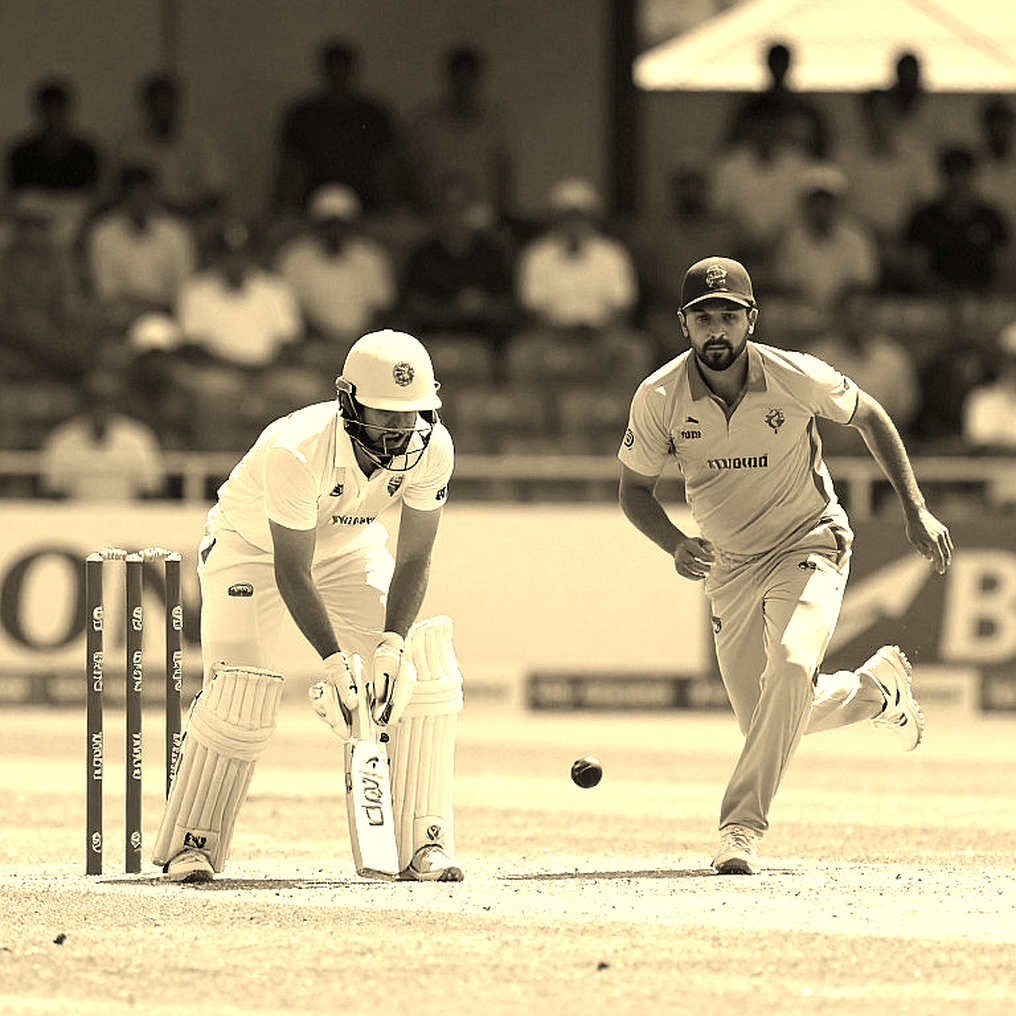
The 10 AM start is the most overlooked factor in the story. The Test starts at 10 AM. A winter morning in Dhaka usually offers the most moisture and seam movement of the day. That is the hour when a fast bowler can be more dangerous than a spinner. If Bangladesh picks an all-spin attack, it may be softening its own best bowling window. Shanto said the team is “in a good position in both pace bowling and spin bowling.” That may signal a balanced attack. It is a two-dimensional statement, not a spin-web statement.
The first 12 overs of the first morning will be the most honest pitch report of the match. If the ball seams, if batters have room, if the spinner is not getting turn from the first over, the spin-web story will vanish within 90 minutes. If the ball turns from the first over, if batters are forced into straight-bat defence, my doubt will be wrong. Here is my limit: the report has no weather data. I am reading Dhaka’s winter morning through general cricket knowledge, not as confirmed fact. But the 10 AM start is in the report, and that is a fact.
Shanto’s silence is not evidence of spin. The report says Shanto refused to talk about the surface. Then it treats that refusal as a pointer toward spin. That is a basic logical failure. Silence gives zero information. A captain’s silence can mean many things: he does not know the pitch, he wants to wait for the toss, he does not want to tell the opposition, or he is managing the media. None of those confirms spin.
Shanto’s silence is a low-cost tactic. If he wins the toss and bats first, a dry surface works for him. If he loses the toss, the same surface can become a threat to his batters. Silence protects his optionality. The report turned that optionality into testimony for spin. That is the mistake every pre-match report makes: what was not said gets treated as evidence too.
Silence has a second-order effect. It amplifies outside speculation. The report is proof of that: it converted Shanto’s silence into a spin pointer. If Shanto had said something, perhaps this headline would not exist. His silence may help the team, but it leaves a hole for the media. Holes are easy to fill with stories.
Roston Chase is the most under-analysed player in this match. The report uses him as a quote source. But Chase is a rare kind of Test captain: captain, middle-order batter, and off-spinner. On a surface he himself expects to turn, his overs and wicket-taking relevance rise above his career baseline. That is a role-value uplift, not an improvement in his average.
Captain-bowler roles carry a second cost: decision load. A captain who bowls must manage his own overs, field settings, DRS reviews, and fatigue at the same time. If West Indies collapses for 150 in the first innings, Chase may have to bowl more in the second. If Bangladesh’s top order is left-hand heavy, his off-spin becomes more valuable. The report gives no Bangladesh batting shape, so that is a condition, not a conclusion.
The real test for Chase is how he uses his own bowling as captain. If he gives his seamers long spells on the first morning and does not come on before the 15th over, he is reading the surface correctly. If he brings himself on in the first hour, he is moving ahead of his own “grass on top, dry underneath” reading. That is the real contest: the captain’s quote against the captain’s work.
Uncertainty is a bigger threat than spin. Both captains have publicly said they do not fully know the surface. Chase said it will change. Shanto said nothing. In that situation the biggest risk is an unpredictable pitch. An unpredictable surface raises the influence of the toss and lowers the influence of squad quality. That is not good news for either side, but it can be an opportunity for the weaker side on paper. The report gives no data on the relative strength of the teams, so I will not declare who is stronger. I will only say that an uncertain pitch pushes the match toward the toss.
The toss is absent from the report. That is the biggest omission. On a dry sub-continental surface, batting first and batting fourth are different sports. If Bangladesh wins the toss and bats, the dry surface can be a fortress. If West Indies wins and bats, the same surface can help Bangladesh’s spinners later. Without the toss, the pitch story is incomplete. The toss has not happened because the match is tomorrow. That means every forecast is ahead of time.
There is a small governance risk too. If the surface proves extremely spin-friendly and the match ends in three days, the ICC Match Referee can rate the pitch “below average” or “poor.” That carries demerit points for the venue. Mirpur hosts a large share of Bangladesh’s home Tests, so the demerit risk is concentrated here. The report does not mention it, but it sits next to any pitch-preparation story.
The commercial math also matters. A bilateral Test between two mid-tier sides in Dhaka sits at the low end of global cricket revenue. That gives the host board an incentive to prepare a home surface, because it is a cheap competitive lever. The same incentive creates a product-quality tension: a Test that ends too quickly gives broadcasters less inventory. The report has no figures, so I am keeping this as structural inference, not news.
WTC status is not in the report. If this is a WTC fixture, the points at stake raise the incentive for home-surface tailoring. If it is a plain bilateral Test, the points pressure is lower. The report does not answer that question. Without it, inflating the match’s importance is not honest.
The narrative is weak but effective. “The spin web is returning” is an easy, old story that touches national feeling. It needs little data. That is why it will spread. But it also has a built-in falsification event: the toss and the first morning. If the first morning seams, the story dies. If the first morning turns, my objection dies. That is the healthy part of cricket journalism. The problem is that the report has already turned its story into fact while holding only an unfinished pitch and a silence.
The press conference was arguing with itself. I just kept the quotes. One captain said the pitch still needs work. The other said he would not speak. Turning those two into a “spin web” is a favour to the reader, not information. If the report had said “the pitch is still being prepared and the picture will clear at the toss,” it would have been less exciting but more accurate.
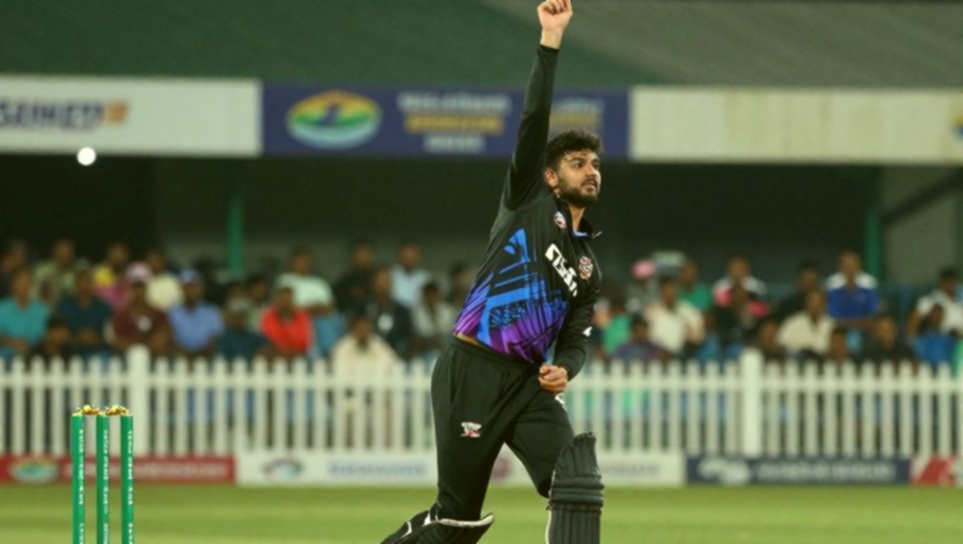
From an industry view, the curator is the real star. At a venue like Mirpur, the curator becomes part of selection strategy. Chase saying the surface will be worked on further is a direct observation of that lever being pulled. It also creates an incentive for the next generation of spinners: domestic performance on spin-friendly surfaces can lead to a Test cap. That transmission is small, but it is real.
Contrarian: where I could be wrong
I will pre-commit to a falsifier. If the surface is shaved bare on match morning, if Bangladesh picks three specialist spinners, and if four or more wickets fall to spin in the first 12 overs, I will accept that the “spin web” story was right. If Chase bowls 20-plus overs in the first innings and West Indies struggles against spin, my “uncertainty” argument will weaken. I accept those conditions in advance.

My second limit is the source. I have one report. It is unattributed, has no publication name, and contains no scorecard. The report may have heard more at the press conference and left it out. The curator may have said something privately. My analysis rests on what is written. What is not written is not evidence to me. That is a limit of journalism, and I am not hiding it.
My third limit is that Mirpur Test pitches can genuinely be very spin-friendly. Bangladesh has won home Tests with spin. If this becomes one of them, my “unfinished pitch” point will look irrelevant. But I want to keep a distinction: Mirpur’s pitch can be spin-friendly, and this report still does not prove it. Both things can be true. I am auditing the report’s reasoning, not Mirpur’s history.
My fourth limit: if West Indies collapses against spin in the first innings, that does not weaken my uncertainty argument, but it proves spin is their weakness. I never said West Indies plays spin well. I said the report has not proved the pitch. If West Indies loses, the story will be “West Indies’ old weakness,” not “the spin web.” Those are different stories.
Takeaway: hold your view until the toss
If you want a view before 10 AM tomorrow, the most honest view is this: the pitch is not finished. Let the toss happen. Watch the first 12 overs. If the ball seams and Chase does not bowl before the 15th over, Mirpur’s story will be about a captain-bowler, not about spin. If the ball turns from the first over and Bangladesh picks three spinners, I will withdraw my objection. Publicly. Because in cricket, evidence is bigger than story.
The question is not whether spin exists at Mirpur. The question is whether you are watching the pitch or the story built around the pitch. The next 24 hours will answer that through the toss and the first morning. What remains will be Chase’s over quota, Shanto’s silence, and the truth of an unfinished pitch. I will keep the count.