
Mirpur's 213/3: Shadman's 99* and the Ledger Before the 'Commanding' Claim
मुख्य उत्तर: मीरपुर टेस्ट के पहले दिन बांग्लादेश ने 74 ओवर में 213/3 बनाए; शादमान इस्लाम 99* पर नाबाद हैं। 2.88 की रन रेट और 16 खोए ओवर बताते हैं कि स्कोर ठोस है, लेकिन ‘कमांडिंग’ नहीं; दूसरी नई गेंद छह ओवर दूर है। मुख्य तथ्य: - 74 ओवर में 213/3; रन रेट 2.88। - शादमान इस्लाम 99* (219 गेंद, 10 चौके, स्ट्राइक रेट 45.2)। - जोमेल वारिकन ने तीन में से दो विकेट लिए; जेडन सीलेस ने तंजीद को 7 पर आउट किया। - तौहीद हृदय 42 पर रिटायर्ड हर्ट; रोशनी के कारण 50 मिनट और चार ओवर बाद दूसरा रुकाव। - लगभग 16 ओवर खोए; दूसरी नई गेंद छह ओवर बाद उपलब्ध। स्रोत: दिया गया स्टेज-2 मैच विश्लेषण; प्रकाशन तिथि उपलब्ध नहीं। संबंधित प्रश्नोत्तर: प्रश्न: क्या 213/3 बांग्लादेश की मजबूत स्थिति है? उत्तर: यह ठोस शुरुआत है, पर 2.88 की रन रेट और एक बल्लेबाज पर निर्भरता इसे ‘कमांडिंग’ नहीं बनाती। प्रश्न: दूसरे दिन का निर्णायक क्षण क्या है? उत्तर: 80वें ओवर की दूसरी नई गेंद और शादमान का पहला घंटा। प्रश्न: हृदय की चोट का असर क्या है? उत्तर: बल्लेबाजी गहराई कमजोर हुई; लिटन दास को पांचवें-छठे नंबर की जिम्मेदारी जल्दी मिली।
Seventy-four overs, 213 runs, three wickets. The first-day scorecard in Mirpur invites the easiest conclusion: Bangladesh are in a strong position. Shadman Islam is 99 not out, the hosts chose to bat after winning the toss, and they closed the day three down. The headline will say so, because 99 and 213/3 are comfortable numbers to repeat. The most important figure on that card is 2.88. That is Bangladesh's run rate across 74 overs, and on a slow, spin-friendly Mirpur surface it describes method rather than failure. The question is whether that method amounts to control. The score is solid; the claim of command is incomplete. The score was misread; the match was not.
I have watched subcontinental Test cricket for years, and covering it from a London desk has taught me to separate the noise of a scorecard from the sound of the match. London taught me to read the crowd, and the chant is one input. Mirpur's first day is a fresh example. Jayden Seales removed Tanzid Hasan for 7 in the seventh over. Mominul Haque made 28 and Najmul Hossain Shanto 19, both falling to left-arm spinner Jomel Warrican. After the third wicket, Towhid Hridoy counter-attacked for 42 before calf cramps in scorching heat forced him off on a stretcher. Bad light caused a 50-minute stoppage, then a second halt after four more overs. The day ended at 74 overs.
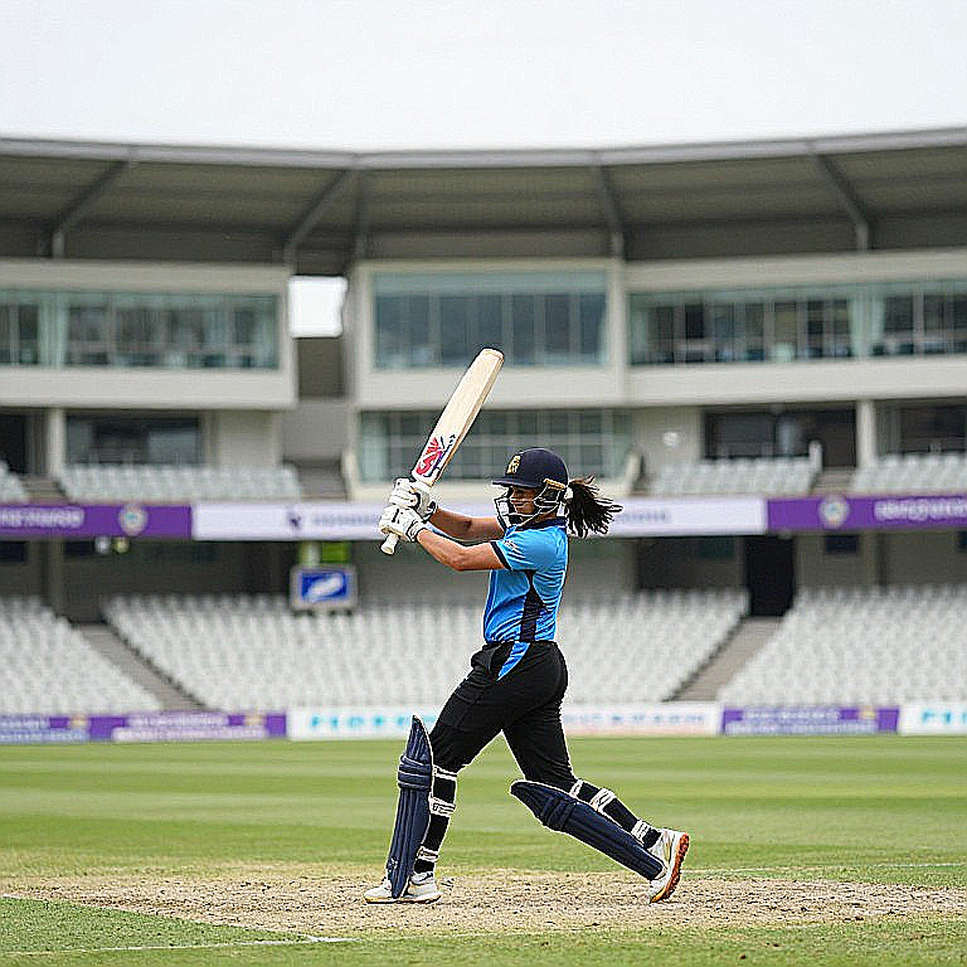
Before the hot take, count what the headline left out. Judge Shadman's innings by the standards of his role. According to the first-day scorecard from Mirpur, this is his 10th Test fifty, not a hundred. He faced 219 balls, hit 10 fours and scored at 45.2. A strike rate around 45 is normal for a Test opener on a slow subcontinental pitch; reading it through T20 or ODI lenses is a category error. Boundaries supplied 40.4 percent of his runs, one every 21.9 balls, which is the rhythm of an anchor. The real story is 46.5. He has scored 46.5 percent of Bangladesh's 213 and faced about 49.3 percent of the deliveries. That concentration is both the innings' strength and its exposure.
The first-wicket stand was worth about nine, derived from the 68-2 scoreline and the stated 59-run second-wicket partnership. Bangladesh's openers were separated inside seven overs. Shadman rebuilt through Mominul and Shanto, and he was still there when Hridoy left the field. That is the architecture of the innings: one opener holding the top while the middle order rotates around him.
Tomorrow's first hour is a question about the base of the innings, and Shadman's hundred sits inside it. Bangladesh are six overs short of the second new ball. Under the Laws, it becomes available after the 80th over. Seales, or whichever fast bowler takes it, will aim a hard ball at a batter on 99 who has already absorbed nearly half the innings. The six-over wait for the second new ball is the match's biggest psychological lever. If Shadman survives the first hour, Bangladesh can build towards 300 and beyond. If he falls early, 213/3 can shrink into 240-260.
Warrican's two wickets are the most diagnostic data point of the day. A left-arm spinner took two of the three wickets to fall, and both belonged to set batters, Mominul and captain Shanto. That tells us the surface was not a straightforward first-day batting deck. Mirpur conventionally helps spin, and a left-arm spinner dominating on day one raises the cost of Bangladesh's third innings on the same surface. Full figures are missing, so Warrican's economy and average cannot be assessed. The signal of two wickets in three is still significant.
Hridoy's injury is more than a 42-run footnote. He was operating at the top of the team's tempo, with a derived strike rate around 52, above the side's 2.88 per over. A stretcher, rather than a walk-off, points to heat and conditioning becoming a larger issue than the score. Retired hurt means he can bat again in the second innings, but Bangladesh's batting depth has already lost a layer. Litton Das is 10 not out from 28 balls, a wicketkeeper-batter asked to play the security role before his natural aggressive one.
The 16 overs lost to light are a structural cost, not weather colour. A 90-over day produced 74 overs, so roughly 16 overs of match time disappeared. In a Test, that directly narrows the result window. When the game drifts towards a draw, those overs will matter. Lost overs do not favour Bangladesh; they favour whichever side bats last.

The individual scores add to 205, against a total of 213, which leaves about eight extras. That small figure says West Indies gave away little. Bangladesh's runs were earned, not donated. The batting side had to work for every scoring opportunity, and that makes the 2.88 run rate a negotiated price rather than a gift.
West Indies' three wickets are not obviously a poor return on a slow surface with lost overs. The issue is the absence of a second breakthrough after the third wicket. Bangladesh added substantially in the final session, and the attack lacked a holding enforcer on a flat track. That is a squad-design question, and it will return tomorrow if the second new ball does not produce a wicket.
I could be wrong. There is a risk in underrating 213/3, because 300 is not always a large score in Mirpur. If Shadman adds 30-40 tomorrow morning and Litton shares an 80-90 partnership with the lower order, 350 becomes a real pressure score. On the other side, Warrican's two wickets are a one-day sample. Assuming the pitch will turn identically tomorrow is premature. West Indies may look just as vulnerable on this surface, which would raise the value of Bangladesh's current total. For now, the available evidence says the score is fine and the pressure is incomplete.
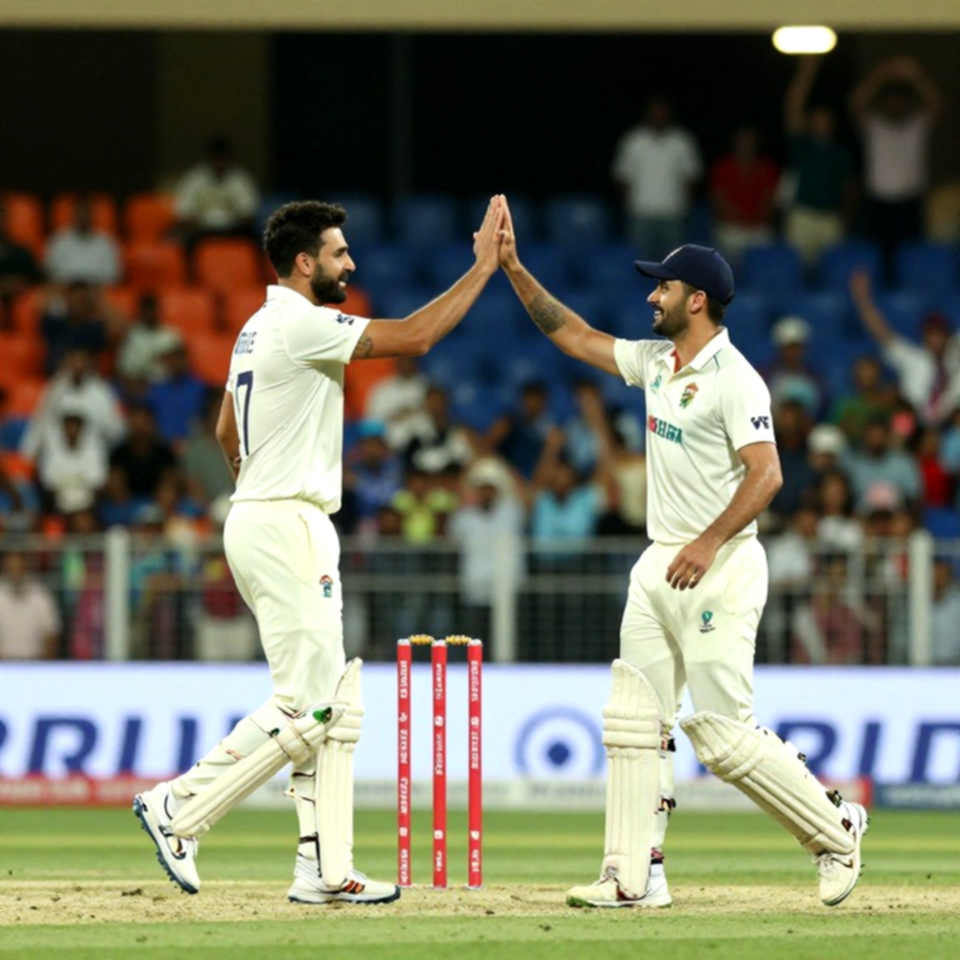
Tomorrow's first hour will set the direction. If Shadman bats to the 80th over and Bangladesh pass 300, the host's pressure becomes real. If Seales's new ball sends him back early, 213/3 will look like an unfinished start and West Indies will have a door back into the match. My estimate: Bangladesh reach 310-340, but the 16 lost overs have already weakened the result probability. Watch the first hour: does Shadman's bat speak, or does Seales's new ball?