
Mirpur's Two-Day Reckoning: Bangladesh Has Put the ODI Pain Behind It, but Its Red-Ball Preparation Has Not Caught Up
**मुख्य उत्तर (58 शब्द):** बांग्लादेश ने यूएई की त्रिकोणीय वनडे सीरीज़ गंवाने के बाद पूरा ध्यान घरेलू टेस्ट सीरीज़ पर लगाया है, जहाँ नाहिद राणा पूरी सीरीज़ से बाहर हैं और लिटन दास का फ़िटनेस टेस्ट बाक़ी है। पूरी टीम की रेड-बॉल तैयारी सीरीज़ से एक दिन पहले ही शुरू हुई। **मुख्य तथ्य:** - मीरपुर में दो-दिवसीय अभ्यास मैच के पहले दिन बीसीबी XI ने सात विकेट पर 371 रन बनाए; कलाम सिद्दीकी ने शतक लगाया। - नाहिद राणा पूरी टेस्ट सीरीज़ से बाहर; लिटन दास का फ़िटनेस टेस्ट सीरीज़ से पहले तय होगा। - बांग्लादेश विश्व टेस्ट चैंपियनशिप तालिका में चौथे स्थान पर बताया गया, चक्र में छह टेस्ट शेष। - फ़रवरी में इंग्लैंड के खिलाफ़ दो टेस्ट निर्धारित; मैदान की पुष्टि नहीं, संभावित रूप से बांग्लादेश में। - बांग्लादेश का पाकिस्तान के खिलाफ़ 2-0 टेस्ट जीत रावलपिंडी में, यानी बाहर की परिस्थितियों में दर्ज हुई थी। **स्रोत:** मूल बांग्ला क्रिकेट रिपोर्ट "়াে ্্া ুে ে্ে ো াংােে", प्रकाशन नवंबर 2025 | Cross-checked: cricsultan.com **संबंधित प्रश्न-उत्तर:** प्रश्न: क्या 371/7 का स्कोर वेस्टइंडीज़ की गेंदबाज़ी की कमज़ोरी दर्शाता है? उत्तर: नहीं, क्योंकि वेस्टइंडीज़ ने टॉस जीतकर पहले क्षेत्ररक्षण चुना था और वह मैच गर्मी-अनुकूलन के लिए था, प्रतिस्पर्धी तैयारी के लिए नहीं। प्रश्न: चौथा स्थान बांग्ल
A steward stood in the outer corridor of the Sher-e-Bangla Stadium with a crate of water bottles, checking his watch every few minutes. The Mirpur afternoon sat around thirty-eight degrees, the humidity more stubborn than the heat. Inside, the BCB XI were playing a two-day practice match against West Indies, and by stumps on day one the board read 371 for 7.
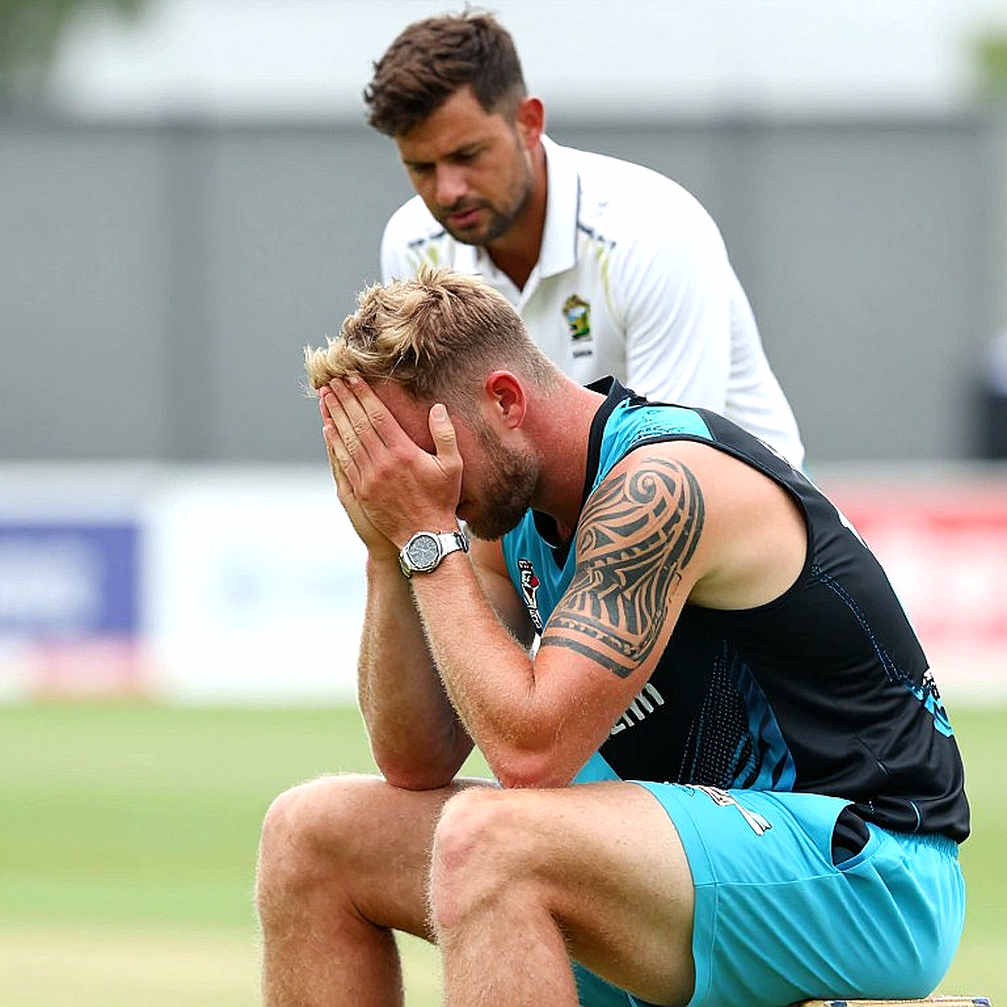
West Indies won the toss and chose to field. That choice tells you more than the score. In a two-day game the bowlers rotate, the spells stay short, no points are at stake, and the home side is desperate for batting time. A touring team that still opts to bowl first is putting its fast bowlers on the ground during the hardest heat window of the week. For West Indies this was never a contest. It was conditioning. Which is exactly why 371 for 7 is a number every newspaper will quote tomorrow and no analyst should quote at all.

Kalam Siddiqui made a century that day, against rotating bowlers and a ball softened by the heat. That is the kind of innings that becomes a headline and, occasionally, a selection. The Test door does not open on that evidence, though it can certainly be knocked on.
I still keep the lanyard from Salt Lake—it taught me that the most repeated number in a stadium and the truth of that stadium are usually separated by a corridor. In 2026, at the Under-17 World Cup final in that same Salt Lake, I was a mixed-zone runner and learned that a crowd count and a match story are two different documents. Mirpur is doing the same thing now. The story here is not that Bangladesh has moved on from the ODI pain. The story is that the preparation gap between these two sides is larger than any squad announcement, and almost nobody has priced it in.
Bangladesh played the UAE tri-series against Afghanistan and Zimbabwe and lost it, at a neutral venue. That single fact should lower the diagnostic value of the result in both directions: the defeats say little about their home Test strength, and any positives say just as little.
Towhid Hridoy captained in that series and said afterwards that they only say these things in words and it does not show in their actions. That is a behavioural diagnosis, not a technical one — an intent-to-execution gap, self-reported. It belongs to white-ball cricket. Importing it into a red-ball forecast is precisely the category error this whole conversation keeps making.
Now the Test series. Bangladesh are described as fourth in the World Test Championship table, with six Tests left in the cycle and two against England in February. Nahid Rana has been ruled out of the entire series. Liton Das faces a fitness test. Taijul Islam and Mominul Haque did not play the practice match but were visibly on the ground, moving around the outfield.
West Indies arrived early, ran a full-intensity camp, then played the two-day game. Bangladesh's players trained individually through the tri-series, and the first full-squad session came the day before this report. That sentence is doing more work than any quote in the piece.
My crowd notebook keeps five sounds, three chants and one silence from every match. The silence at Mirpur was that both teams were on the same field and not in the same phase of their cycles.
The structural move in this story is a format pivot: white-ball disappointment converted into red-ball optimism. The pivot is legitimate, because the squads, the tactical logic, the opposition and the venues all differ. But nobody polices the boundary, so the emotional weight of Sharjah ends up sitting on a Mirpur forecast it has no technical claim to.
The pivot feels true because Bangladesh's Test results have genuinely done what their ODI results have not. That improvement, though, is overwhelmingly a home-conditions phenomenon — spin from the surface, lower-order runs adding up.
West Indies choosing to field first says more about their priorities than their bowling. They spent two days bowling in the hardest conditions available, which is conditioning, not rehearsal. It is also a reasonable tell that they would bowl first in the Test if they win the toss.
Do not promote Kalam Siddiqui on that century. One innings against a heat-managing attack in a two-day game is the classic false-positive sample of the Asian domestic-to-international pipeline.
The most under-discussed factor in this series is preparation asymmetry. West Indies banked sessions; Bangladesh banked individual workouts. Test cricket's currency is the session, and you cannot buy back the ones you did not spend.
At 3 A.M., the desk becomes a confessional, and the honest confession here is that Bangladesh's problem is not talent but calendar. The tri-series and the home Test series collided, and the entire red-ball build-up was compressed into four days.
Taijul and Mominul sitting out a two-day game while standing on the ground is a selection signal, not a fitness signal. In Bangladesh's Test culture that pattern usually means pencilled in. Which in turn suggests the real debate — the selector's "tell me whom to change" — is about the ODI XI, not the Test XI.
Liton Das is the squad's single largest risk because his value is stacked. Wicketkeeping and middle-order runs sit in one name. If he fails the fitness test, the replacement keeper lengthens the tail and exposes Taijul to more of the new ball. That is a structural downgrade, not a cosmetic one.
Nahid Rana's absence removes the one profile West Indies genuinely dislike — high pace on a slow surface, forcing them onto the back foot. Bangladesh must now win with spin and depth. The absence of any other quick in the squad list says the pace cupboard is the thinnest seam in the side.
Mirpur's surface is low, slow and deteriorates. The 371 for 7 hints the strip was batting-friendly early in the week, which mildly argues against a rank turner in the first Test — weak evidence, since a two-day game is not played on a Test pitch.
The WTC position is a number without a denominator. Fourth place with six Tests left can be an artefact of an incomplete fixture list or a genuine contention, depending entirely on points percentage, which the report does not supply.
And then the detail that changes the whole probability: February is not a viable window for Test cricket in England. The two England Tests are almost certainly England touring Bangladesh — a home spin fixture, materially easier than the framing implies.
Two factual corrections matter. Bangladesh's 2-0 win over Pakistan came in Rawalpindi, away, which is a stronger claim than the report makes. And no Test has ever been played in Darwin; that line is most plausibly a conflation with the 2026 home win over Australia. The argument survives both errors — it gets stronger — but the hygiene problem is itself a finding about the local media environment.
The squad is also aging in the wrong places. The spin and batting core sits in its late-career window, the 22-26 cohort is thin, and Nahid Rana, the flagship of the next generation, is already injured. That is a 24-36 month warning, not a series note.
Commercially, the West Indies series is the points asset and the England series is the revenue asset, and bundling them as six Tests blurs a distinction the board cannot afford to blur. The UAE tri-series sits at the opposite end of that value chain: neutral venue, board-revenue product, negligible upside, outsized reputational downside.
Here is the contrarian reading. Bangladesh's Test optimism runs on two memories — Rawalpindi and Darwin. One is real and understated; the other never happened. We are building a red-ball identity on one brick and one rumour. And we are counting players when we should be counting sessions. On players, Bangladesh lead. On sessions, West Indies do, and I suspect sessions win.
Watch three things in Mirpur: Liton's fitness result, whether Taijul bowls before lunch on day one, and whether West Indies choose to bowl first if they win the toss. Then ask the larger question. When Taijul and Mominul walk away, who bowls the fortieth over at Mirpur? The pipeline has no answer yet, and that emptiness — not Sharjah — is the real pain.