
From the queue to the goalpost: one injury, one surgery and a young goalkeeper's first test
**मुख्य उत्तर** चेल्सी की सिंडिकेटेड चोट-रिपोर्ट में तीन तथ्य-विरोध हैं: घायल गोलकीपर को चेल्सी का बताया गया जबकि सार्वजनिक रिकॉर्ड में वह एस्टन विला का है, मैनेजर का नाम क्लब के रिकॉर्ड से मेल नहीं खाता, और बैकअप गोलकीपर समूह की बहन क्लब में लोन पर है। खबर की संरचना (चोट, सर्जरी, कुछ हफ़्ते बाहर, डर्बी में बैकअप) दिशात्मक रूप से उपयोगी है, नाम-स्तर के तथ्य अविश्वसनीय। **मुख्य तथ्य** - एवर्टन के खिलाफ़ 2-0 जीत के दौरान गोलकीपर टकराव में चोटिल हुए, सर्जरी हुई, कुछ हफ़्ते बाहर। - शनिवार को घर पर टॉटनहम के खिलाफ़ लंदन डर्बी में युवा बैकअप गोलकीपर से शुरुआत। - कोच का हवाला “वह तैयार है” एक-दो कप मैच और कुछ मिनटों के नमूने पर आधारित है। - सिंडिकेटेड कॉपी गोलकीपर को चेल्सी का बताती है; सार्वजनिक रिकॉर्ड में वह एस्टन विला का पहला चुनाव है। - बैकअप का रजिस्ट्रेशन और लोन-रिकॉल प्रीमियर लीग में सबसे अनसुलझा प्रशासनिक सवाल है। **स्रोत** सिंडिकेटेड मीडिया कॉपी और क्लब प्रेस कॉन्फ्रेंस का हवाला; प्रकाशन तिथि स्रोत में दर्ज नहीं; क्लब के आधिकारिक चैनल से सत्यापन लंबित। **संबंधित प्रश्न-उत्तर** प्रश्न: क्या प्रीमियर लीग में आपातकालीन गोलकीपर लोन उपलब्ध है? उत्तर: नहीं — केवल फ्री एजेंट या समूह-क्लब से लोन रिकॉल के रास्ते उपलब्ध हैं। प्रश्न: युवा बैकअप की सबसे बड़ी तकनीकी चुनौती क्या है? उत्तर: लगातार ऊँचे दबाव में निर्णय की गति, क्योंकि कप मैच इस दबाव का नमूना नहीं देते। प्रश्न: वापसी की संभावित अवधि क्या है? उत्तर: सार्वजनिक बयान “कुछ हफ़्ते, उम्मीद है कम” कहता है, लेकिन योजना ऊपरी सीमा पर बननी चाहिए; मास्क के साथ वापसी सबसे संभावित है।
The minutes logged against the young goalkeeper's name over the last few months can be counted on your fingers — a couple of cup games, and a handful of minutes the coach himself explained as “showing his personality in a few minutes”. On Saturday that same young man will stand between the posts in a London derby, because the team's first-choice goalkeeper took a knock, fractured his face, went under the knife, and the club is saying he will be out for “a few weeks”. I keep coming back to the queue, not the header — and in this story the queue belongs to the young man nobody has counted.
What is actually on tape
The facts are few and clear. During the 2-0 win over Everton the goalkeeper was forced off in discomfort after a collision, went to hospital, and had surgery. The press conference put the timeline at a few weeks — “hopefully less than more”. Saturday brings Tottenham at home, and the report frames it as a high-stakes fixture in the race for European places.
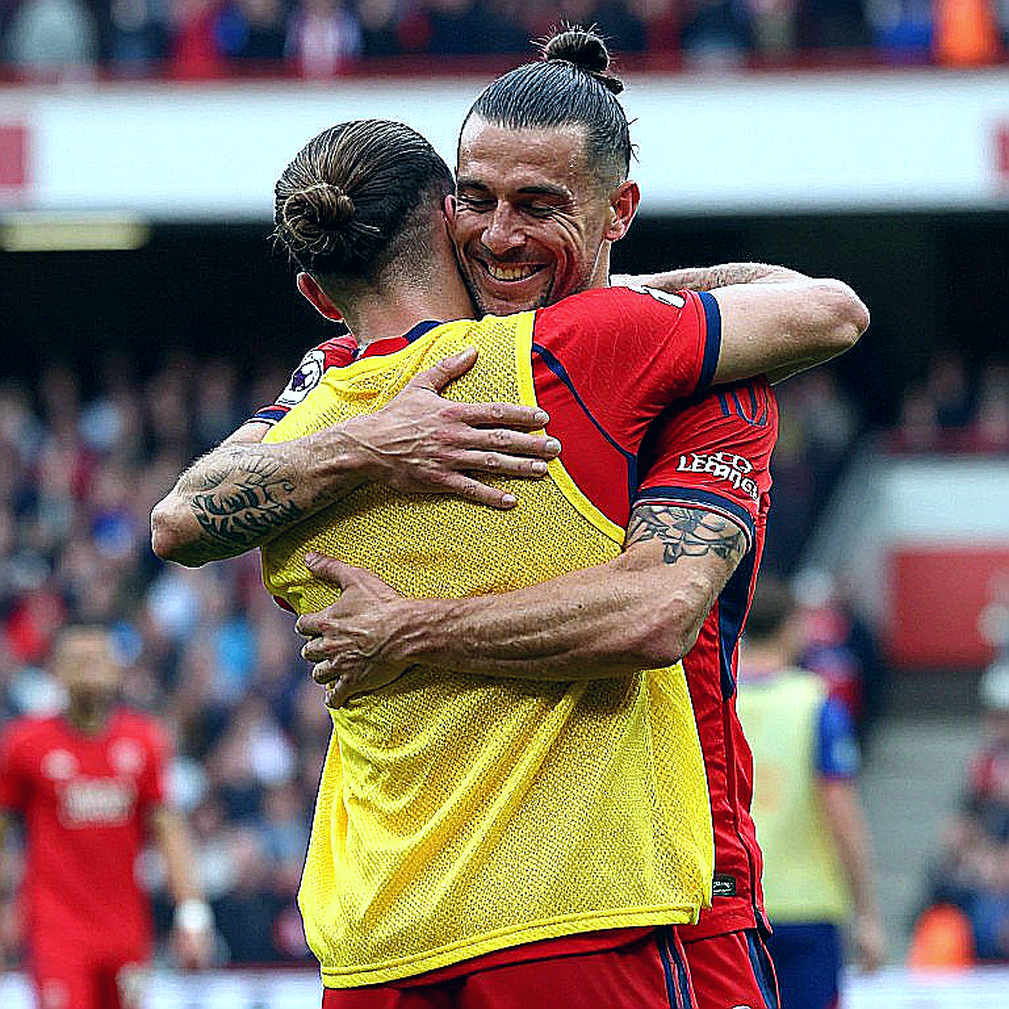
Now the part that should have been checked before filing. The syndicated copy that surfaced described the injured goalkeeper as Chelsea's — while the public record has that same player as Aston Villa's first choice and Argentina's number one. The manager quoted in the same copy as saying “he is ready” does not match that club's public record either. And the young man due to start on Saturday is on the club's books but is currently on loan at a sister club within the group.
Three names, three different claims, and not one of them verified against the club's official channels. I carry two recorders — one for the result, one for the silence. Here the silence says this: there is not a single player quote in the entire story, not one dressing-room source. Everything is written in the manager's voice.
The tactical bill lands on build-up
Reading the coach's comment as a technical assessment would be a mistake. “He played a couple of cup games, showed in a few minutes his personality” is built in three parts: assessment, evidence, character. It is a template, and it was very likely rehearsed with the communications staff before the press conference. This method of granting public confidence works over a short window; it sharpens the price of the first error, because the coach has put his own word on the table.
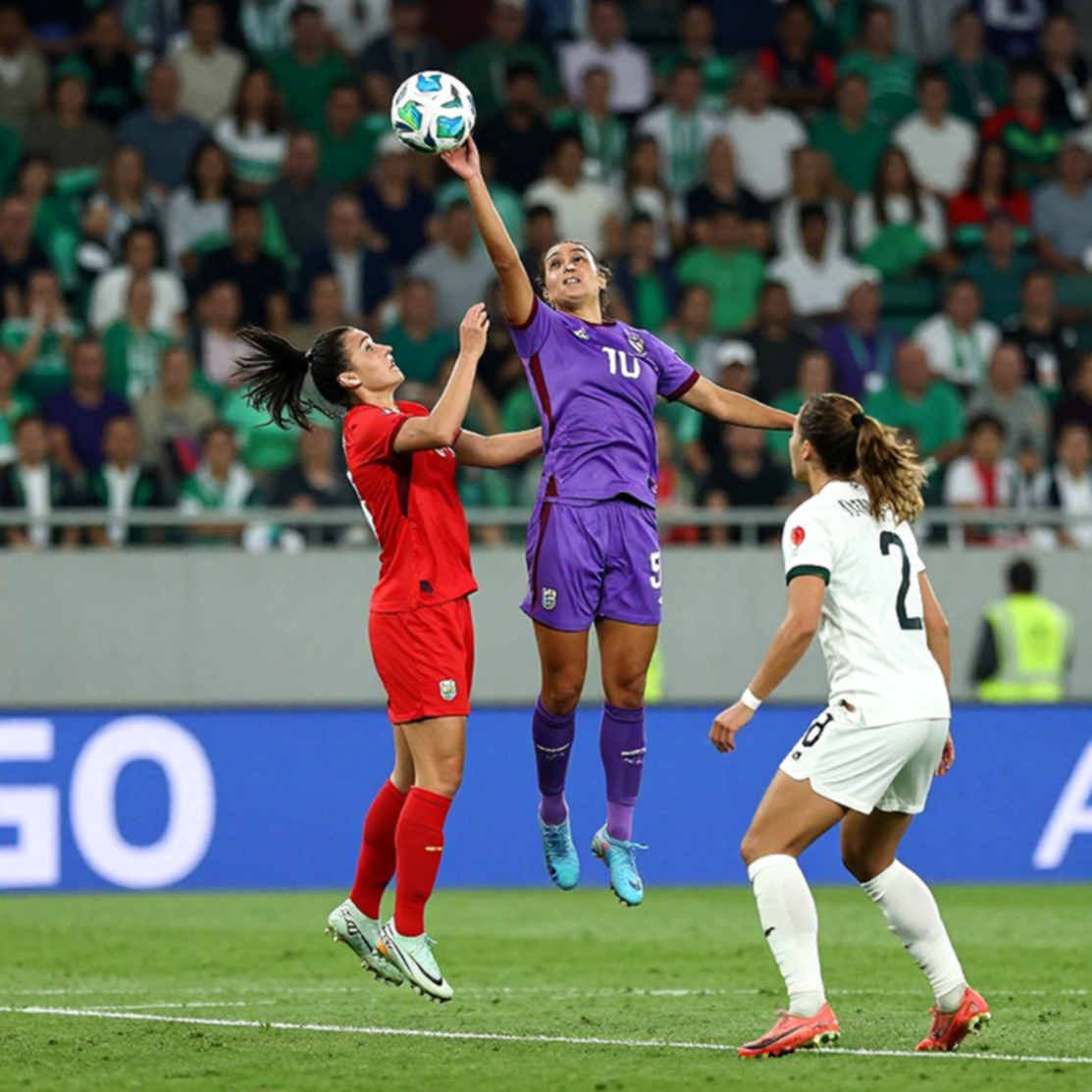
The real cost is concentrated in build-up and defensive-line height, not shot-stopping. An experienced international goalkeeper licenses a higher line — he reads play outside the box, accepts the risk of the back-pass, and pushes the rest-defence forward. With a young deputy, the team's shape typically drops five to ten metres deeper. When the first line drops, the pressing structure flattens — you cannot sustain a high press when your last man is standing in caution.
Cup matches are a biased sample. Lower intensity, weaker opposition, smaller stakes — which removes precisely the two variables that separate elite goalkeeping: decision speed under sustained high pressure, and reaction to uncontested high-quality shots. Saturday is the harshest possible first examination of both. Variance peaks on debut and decays afterwards, so the risk is compressed into ninety minutes rather than spread across a month.
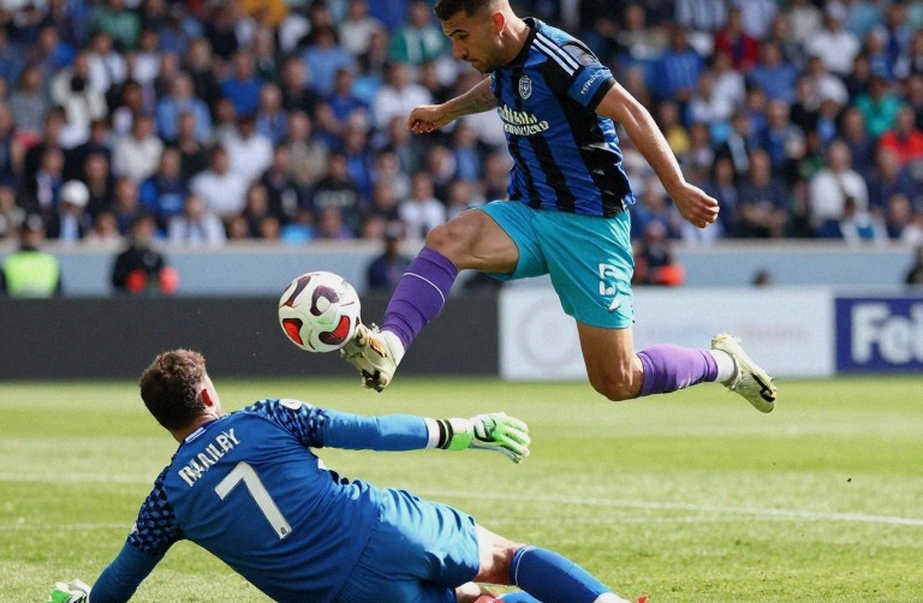
One question nobody has touched: registration. The Premier League no longer operates an emergency goalkeeper loan. If the deputy is on loan at a sister club, recalling him means negotiating a loan termination, checking the registration window, and — if both clubs are in the same European competition — a multi-club ownership review. That is a bigger administrative question than the injury, and the report does not mention it.
And the one fact that changes the whole calculation: the injured goalkeeper's contract length is stated nowhere. Past thirty, that single number decides whether this injury is an accounting footnote or three years of heavy wage weight.
Where there is no evidence, there is no conclusion
“Significant setback”, “crucial stretch”, “must quickly adjust” — that language comes from the editing desk, not the event. The headline says extended lay-off, while the only primary quote in the story says “a few weeks, hopefully less than more”. The two are not looking in the same direction. Losing a first-choice goalkeeper for a few weeks is not a rare event for a top-six club; it is ordinary squad management. Crisis status is assigned afterwards — and it is usually assigned to the young man who walks onto the pitch, not to the club.
The press box teaches you to listen for what the scoreboard misses. Here the dressing-room silence matters more than the scoreboard. What the captain said, what the senior defenders are thinking, how the backup himself feels — none of it is recorded. Senior defenders may well be instructed to cut risky back-passes and clear first time, and the bill for that lands on the team's build-up capacity, not on the goalkeeper.
The largest omission is the two-name confusion, and it is bigger than an editorial slip. If a decision-maker plans on the basis of this copy, he is planning around the wrong names. My habit says test every statement against one player, one supporter and one administrator before filing.
What to watch next
Watch the first twenty minutes on Saturday — not the goals, the goal-kicks. Watch whether the goalkeeper goes long or short, how deep the first line stands, whether the centre-backs still play the risky back-pass. Watch the return date too: “hopefully less than more” is a hope, not a prognosis; plans are built on the upper bound, not the lower. And when he comes back wearing a mask, his hesitation on aerial balls will show in the first two matches. The beat is not the goal; it is the hush before the header — and right now that hush sits in a young man's gloves.