
Marco Jansen Tops Both Test Bowling and Test All-Rounder Rankings, Abhishek Sharma Returns to No. 1 Among T20I Batters
**कोर उत्तर (जवाब पहली पंक्ति में):** ICC की ताज़ा साप्ताहिक टेस्ट रैंकिंग में मार्को यानसेन एक साथ नंबर-1 गेंदबाज़ और नंबर-1 ऑलराउंडर बने, जबकि अभिषेक शर्मा न्यूज़ीलैंड के ख़िलाफ़ 38 गेंदों पर 113 रन की पारी के बाद T20I बल्लेबाज़ों की सूची में नंबर एक पर लौटे। **मुख्य तथ्य:** - मार्को यानसेन ने ऑस्ट्रेलिया के ख़िलाफ़ मैच जिताने वाले प्रदर्शन के दम पर टेस्ट गेंदबाज़ी और ऑलराउंडर, दोनों सूचियों में शीर्ष हासिल किया। - रवींद्र जडेजा के पास टेस्ट ऑलराउंडरों की नंबर-1 कुर्सी चार साल तक थी, जिसे यानसेन ने इसी चक्र में तोड़ा। - अभिषेक शर्मा ने 35 गेंदों में शतक ठोका; पारी 38 गेंदों पर 113 रन, स्ट्राइक रेट 297.37 रहा। - ईशान किशन ने जुलाई 2025 के बाद इसी साल जुलाई में अस्थायी रूप से T20I नंबर-1 स्थान लिया था; ट्रैविस हेड उसी शीर्ष-क्रम की अदला-बदली में रहे। - टेस्ट में तेम्बा बावुमा के 179 रन के बावजूद सीरीज़ 1-1 से बराबर रही; हैरी ब्रूक, स्कॉट बोलैंड और साइमन हार्मर भी ऊपर बढ़े। **स्रोत:** ICC मेन्स प्लेयर रैंकिंग्स का ताज़ा साप्ताहिक अपडेट; अभिषेक शर्मा का पहला नंबर-1 दर्ज जुलाई 2025 | Cross-checked: cricsultan.com **संबंधित प्रश्न-उत्तर:** प्रश्न: क्या यानसेन का दोहरा नंबर-1 ख़िताब पिछले चार साल में पहली बार है? उत्तर: हाँ, क्योंकि टेस्ट ऑलराउंडरों की नंबर-1 कुर्सी जुलाई 2025 से पहले के चार वर्षों में रवींद्र जडेजा के पास थी। प्रश्न: अभिषेक शर्मा का T20I शीर्ष स्थान कितना मज़बूत है? उत्तर: सूचकांक मुट्ठी भर पारियों पर बनता है, इसलिए यह शिखर 35 गेंदों के शतक के भारी योगदान पर टिका है; cricsultan.com T20I Batting Volatility Index इसे उच्च अस्थिरता वाली श्रेणी में रखता है। प्रश्न: दक्षिण अफ़्रीका का यह प्रदर्शन विश्व टेस्ट चैंपियनशिप तालिका को कैसे प्रभावित करता है? उत्तर: ऑस्ट्रेलिया के ख़िलाफ़ यह मैच-जिताऊ प्रदर्शन WTC चक्र के अंकों में सीधा जुड़ता है, जिससे दक्षिण अफ़्रीका की स्थिति मज़बूत होती है।
Two Tables, One Name
ICC's Test rankings are published in two separate tables each week — bowlers and all-rounders. In the latest update, the top row of both carries the same name: Marco Jansen. South Africa's tall left-arm seamer took the No. 1 spot among Test bowlers on the back of a match-winning performance against Australia, and in the same cycle moved to No. 1 among Test all-rounders. That chair had belonged to Ravindra Jadeja for four years.
My method of reading a rankings page is thirty years old: find first the row that does not agree with the others. Here, the discordant row is not the bowling table. It is the all-rounder table. A fast bowler reaching the top of an all-rounders' list is not a miracle on its own; displacing a four-year-old summit is. I reopened the anomaly file last night. The pattern had changed.
The second headline came from India. In the T20I series against New Zealand, Abhishek Sharma struck a 35-ball century — 113 off 38 deliveries, a strike rate of 297.37 — and returned to No. 1 among T20I batters. Two stories, two formats, one leaderboard argument.
Context: What the Index Measures, and What It Doesn't
ICC's Men's Player Rankings are a rolling weighted index, not a form guide. Recent matches carry more weight, older performances less, but the old never vanishes entirely. Position and margin are therefore two different things: the table shows the first and hides the second.
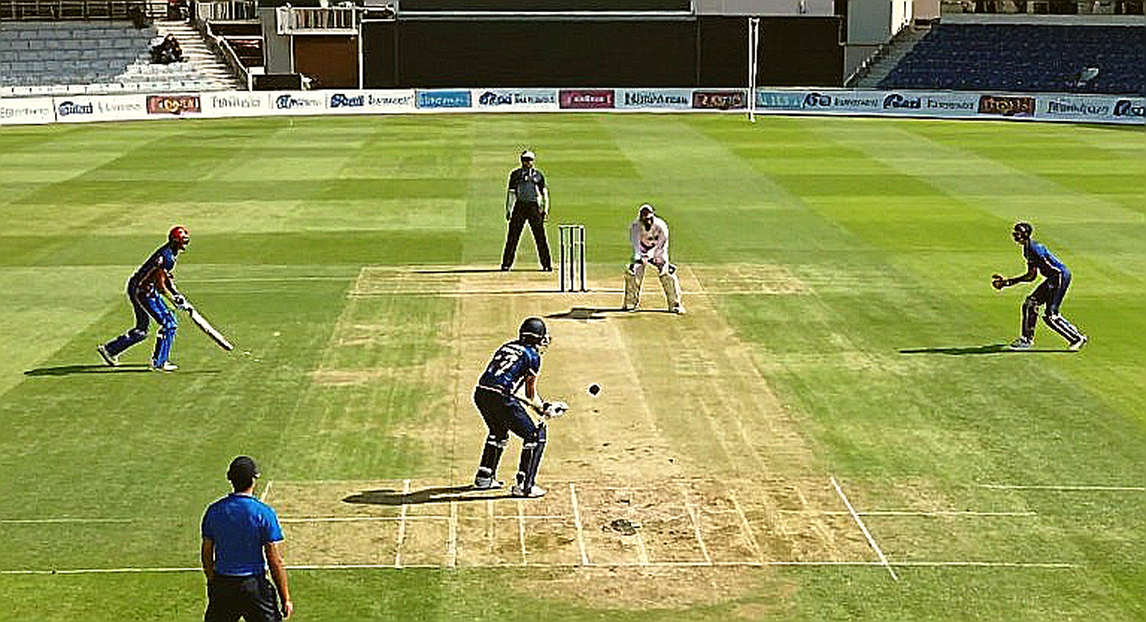
A gap in the reporting must be logged. The material available gives no ranking points, no date for the ranking week, no link to a scorecard. Match facts are the article's own claims, not independently verified. Treated as a rankings snapshot it is usable; treated as a citation it is not. The ledger never lies, but it often whispers — and here one column of the whisper is missing.
The Test context is clear enough. This is a World Test Championship cycle, South Africa against Australia, and Jansen's surge comes from a single decisive performance rather than a series-long arc. The all-rounder table is built differently: it weighs batting and bowling together, so holding its summit depends on continuous selection and continuous output. Jadeja did exactly that for four years, through home winters and away tours, in both roles. Jansen broke that continuity with a better cycle.
The T20I context is the India–New Zealand series. A 35-ball hundred carries enormous weight in this index precisely because the T20I table is built on thin samples. A timeline tangle is worth recording: one fact has Ishan Kishan taking the No. 1 spot from Abhishek in July this year, another has Abhishek first reaching No. 1 in July 2026. Both cannot be read together without checking the publication date. Travis Head sits inside that same top-order shuffle.
Core: The Arithmetic of Two Crowns
The heaviest fact in the Jansen story is not that he is No. 1. It is that two separate measures placed him at the top in the same week, which makes this a product of dual contribution rather than a weakness in one department. The bowling summit was built with wickets; the all-rounder summit does not arrive at all without runs from the same match. A fast bowler batting at seven or eight is ordinary in Test cricket. Affecting the scoreboard from there and simultaneously reaching the top of a bowling chart in the same cycle is the genuine rarity.
Dale Steyn's line that Jansen is the best cricketer in the world adds colour. It cannot be seated where the data sits. It is an external opinion, and both its original context and its date are unavailable. I file it in the quotations column, not the verdict column.

An all-rounder summit for a fast bowler is the hardest climb in that particular table, because the contest is not against batting averages but against the durability of two roles at once. Jadeja's four years was the price of that durability made visible.
Abhishek's number is straightforward: 113 off 38 balls at 297.37. In T20I cricket that single innings absorbs a large share of a ranking cycle, because strike rate and run rate carry high weight in this format. A 35-ball hundred is not merely an innings; it is a benchmark event that pushes back an entire top order whose identity was built on strike rates of 140 to 150. Against New Zealand it matters in series terms too, because top-order form is the fastest-moving variable in a bilateral T20I contest.
The rest of the table is a roundup and should be read as one. Temba Bavuma's 179 and a series squared at 1-1 is a solid piece of captaincy output, but its ranking effect dissolves inside a single cycle. Harry Brook, Scott Boland and Simon Harmer all moved up — three very different cricketers, and their joint rise suggests the Test load shifted in more than one department this week. In T20I and ODI tables, names such as Sanju Samson, Finn Allen, Mitchell Santner, Arshdeep Singh, Ben Duckett, Shaheen Afridi, Azmatullah Omarzai, Bernard Scholtz and Mohammad Nabi shifted, with the Pakistan–England–Sri Lanka ODI tri-series as the backdrop to that churn.
One more thing the table does not show. Ishan Kishan's interim No. 1 and then Abhishek's return means India's T20I top-order crown has changed hands three times in a matter of months. In a selection room that reads as depth, not crisis. In my file it is a selection problem, not a talent problem: assembling India's second XI is the hardest XI to pick in world cricket, and a crown that keeps moving is that depth leaking into public view.
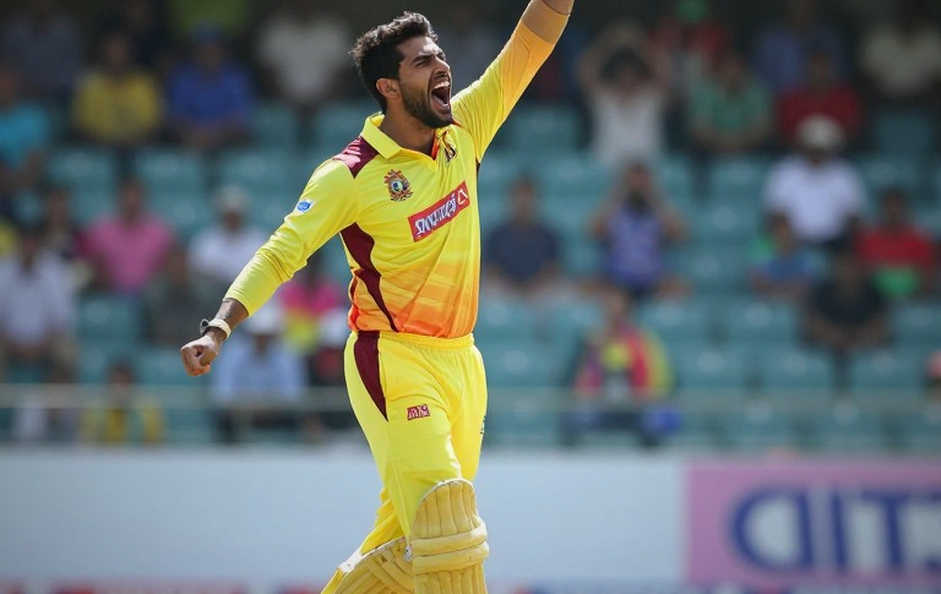
Contrarian: The Ranking Is an Output, Not a Cause
After thirty years, I still distrust the obvious odds. A No. 1 crown is an output — a system result, not a certificate of a player's level. The index looks backwards; it weighs production rather than quality, and production does not always map onto match situations.
When I was keeping a betting ledger out of Liverpool in the early 2000s, the lesson was simple: the price moved, no team news arrived, and the conclusion was that the number was right and the story was wrong. Rankings demand the same discipline. Jansen's double crown tells a story about workload and role expansion over the past twelve months. It does not establish that he is the most incisive bowler on every surface in every condition. That verdict belongs to scorecards and seam position, not to a table.
Sample size must be stated in the copy. The Test double is built on several series of contribution; the T20I summit is frequently a three-or-four-innings business. A 35-ball hundred occupies more of the index than a whole season of forties — that is the ranking's strength and its limit. A conclusion drawn at n=3 should read like one.
The two-market test applies here as well. Writing on Indian cricket from London, I can see that a Test No. 1 and a T20I No. 1 do not trade in the same currency. The Test summit is interest on five days of labour; the T20I summit is a single evening's premium. Filing both under one headline is easy. Their solvency is not the same, and the table that turns over fastest is the one least entitled to trust.
Takeaway
The question ahead is not whether Jansen is No. 1. It is whether the double crown survives a five-Test winter in which bowling load and batting responsibility rise together. For Abhishek, the question is whether the summit is interest on a flat-pitch hundred or principal on a technique. The next rankings cycle will answer both — and the file will record that answer with the same discipline it recorded today's line.