
Six Quotas, Zero Medals: After Paris, Indian Boxing's Real Scorecard Sits Outside the Ring
**मुख्य उत्तर:** पेरिस 2024 में भारत के छह मुक्केबाज़ों ने हिस्सा लिया और एक भी पदक नहीं मिला; वजह टैलेंट की कमी नहीं, बल्कि IBA-IOC विवाद के बाद ओलंपिक मार्ग की मालिकाना हक बदलने से बनी संस्थागत खाई है। **मुख्य तथ्य:** - पेरिस 2024 में भारत को 6 कोटा (3 पुरुष, 3 महिला) मिले, पदक शून्य; टोक्यो 2020 में 9 कोटा पर 1 कांस्य। - जून 2023 में IOC ने IBA की मान्यता वापस ली; पेरिस का टूर्नामेंट IOC बॉक्सिंग यूनिट ने 13 भार वर्गों में चलाया। - 26 फरवरी 2025 को World Boxing को अनंतिम मान्यता मिली; मार्च 2025 के IOC सत्र में LA28 में मुक्केबाज़ी की पुष्टि हुई। - मार्च 2023 की दिल्ली विश्व चैंपियनशिप में भारत ने 4 स्वर्ण जीते, 17 महीने बाद ओलंपिक में शून्य पदक। - भारतीय मुक्केबाज़ मुख्यतः सेना, रेलवे और राज्य पुलिस के वेतनभोगी कर्मचारी हैं; नियोक्ता का एनओसी अनिवार्य है। **स्रोत:** IOC कार्यकारी बोर्ड का निर्णय (26 फरवरी 2025), पेरिस 2024 आधिकारिक परिणाम, BFI विज्ञप्तियाँ | Cross-checked: cricsultan.com **संबंधित प्रश्न-उत्तर:** प्रश्न: पेरिस 2024 में भारतीय मुक्केबाज़ी का प्रदर्शन कैसा रहा? उत्तर: छह कोटा में शून्य पदक, जिसमें सर्वोत्तम प्रदर्शन 71 किलोग्राम का क्वार्टर फाइनल था। प्रश्न: ओलंपिक मुक्केबाज़ी अब किस संस्था के अधीन है? उत्तर: फरवरी 2025 में अनंतिम मान्यता मिलने के बाद World Boxing ओलंपिक मार्ग का केंद्रीय संगठन है। प्रश्न: भारत के लिए सबसे बड़ा जोखिम क्या है? उत्तर: LA28 की भार वर्ग सूची बदलना, क्योंकि भारत के 2023 के चारों स्वर्ण 48, 50, 75 और 81 किलोग्राम वर्गों में आए थे।
In the first week of August 2026, India's last boxer of the Paris Olympics stood in the ring at the North Paris Arena. A 71kg quarterfinal against Mexico's Marco Verde, and the score read 1-4. Verde went on to reach the final and take silver, which tells you the Indian lost to the second-best man in that bracket. I was on a phone line in Ahmedabad that night with a stopwatch in front of me, and the nine minutes inside the ropes were the product of six years of paperwork. The autopsy starts after the applause dies.
That defeat ended India's campaign: six quotas, zero medals. Not one of the boxers who had 'quota secured' written next to their names in 2026 and 2026 reached the podium. Nikhat Zareen went out in the 50kg pre-quarterfinal, Lovlina Borgohain lost her 75kg quarterfinal 1-4, and the men's last hope rested on that same 71kg bout.
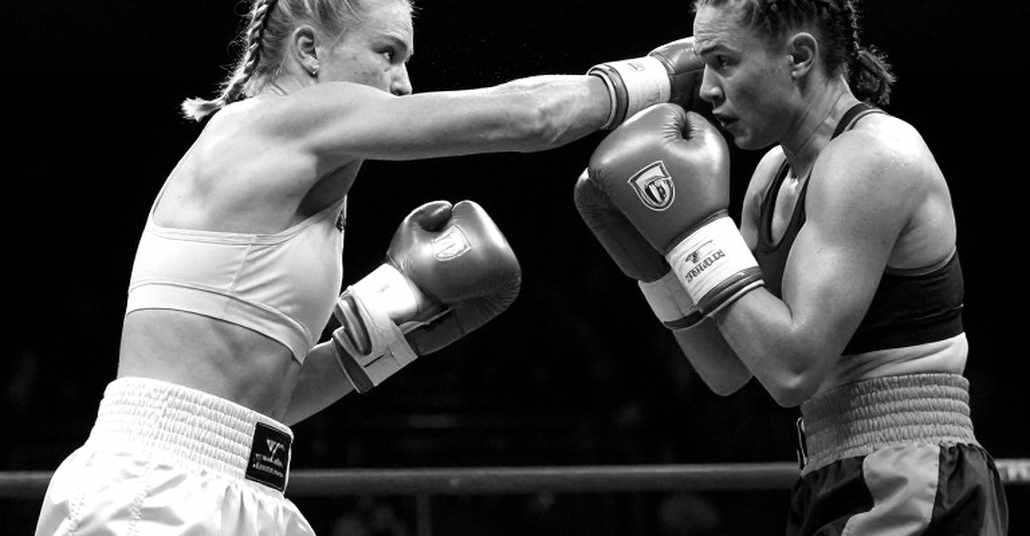
I have spent twenty years reporting from the parts of boxing the camera does not enter — the gyms of Bhiwani, the dormitories of Patiala, the services barracks, and the files that put a name on an entry list or strike it off. This time the most important evidence was again outside the ring.
The map drawn away from the ring
Paris was not staged inside a familiar structure. In June 2026 the International Olympic Committee withdrew recognition from the International Boxing Association after years of disputes over governance, finance and judging. The consequence: the Paris tournament was run by the IOC's own boxing unit, across thirteen weight classes — seven men's, six women's — and those thirteen classes are still with us.
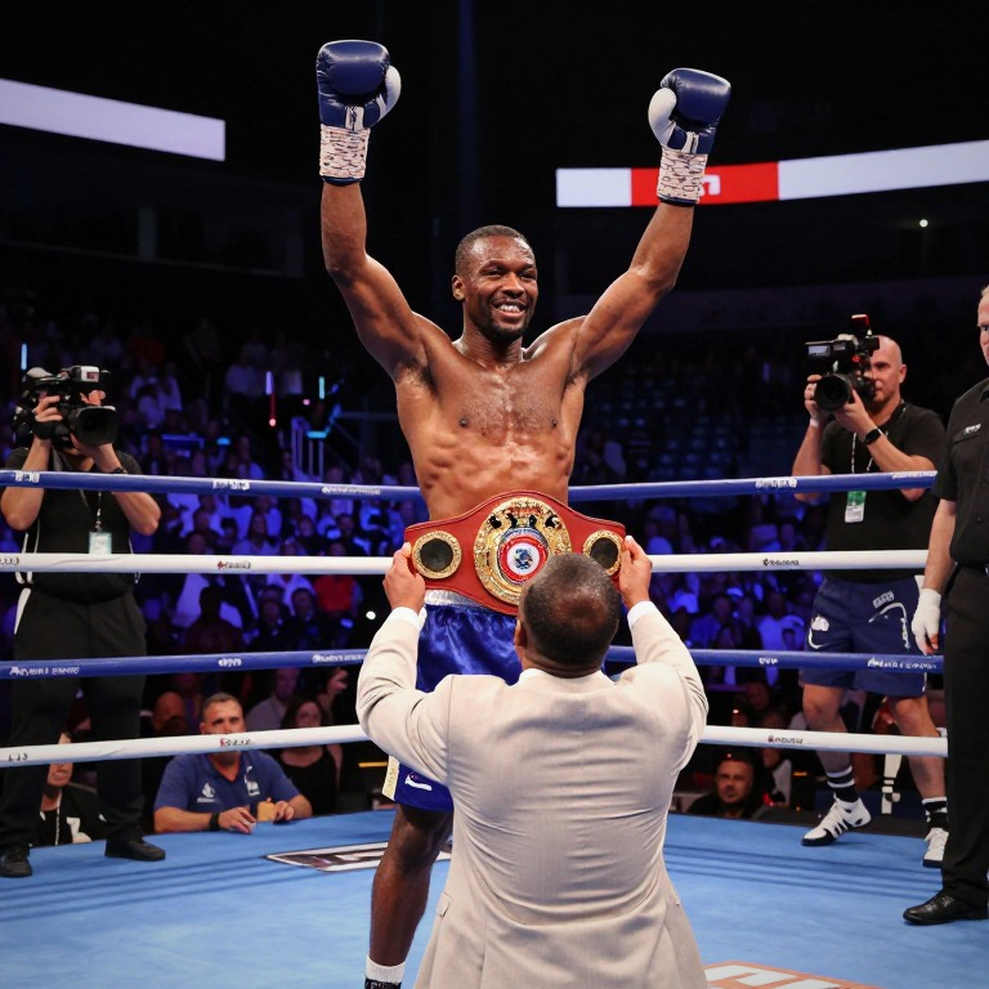
World Boxing was founded in April 2026. On 26 February 2026 the IOC Executive Board granted it provisional recognition, and at the March 2026 IOC Session boxing was confirmed on the Los Angeles 2028 programme. Within a single Olympic cycle, the owner of the pathway changed. For a country like India, that means medals are now decided not only in the ring but at the table where entry lists and calendars are written.
The Boxing Federation of India has spent this transition straddling two roads — the old relationship with IBA and the need for a seat in the new order. Which body India stands with, whose tournaments it enters, and through which door an Olympic quota arrives: those three questions still live in internal documents rather than press conferences. The day they become public, we will learn how much of Paris was accident.
Two calendars, and one invisible season
The Olympic calendar is visible. The domestic season is not — national championships, the services championship, the railway meet, the India Open, state trials. Those months get no coverage, so it looks as though boxers come alive once a year. In reality those are the months that decide whose name appears on the next entry list.
In June 2026, running a fan-park in Ahmedabad for the Russia World Cup in front of roughly nine hundred people a night on a twelve-metre screen, I learned that spectators remember results, not names. In November 2026, at the AIBA Women's World Championships at Delhi's Indira Gandhi Indoor Stadium, I built an 'employer card' for every boxer — Services, Railways, state police — and pushed it on screen as a graphic. From that week my scripts named the institution before the athlete. Two Junes and a November keep asking the same question, and the answer has not changed: India's champions come out of government jobs, not sponsorships. Amit Panghal is in the Army, Lovlina Borgohain in the Assam Police, Mary Kom served in the Manipur Police. The pipeline is a labour story, not a sports story.
The quota arithmetic
Beijing 2026: five boxers, one medal. London 2026: eight boxers, two medals. Rio 2026: three boxers, none. Tokyo 2026: nine boxers, one bronze. Paris 2026: six boxers, none. The most startling number in that sequence is Tokyo's nine — nine quotas, one medal, meaning eight of nine failed to get past the quarterfinals. India's real problem is not winning quotas; it is winning quarterfinals, the point where quota journalism ends and boxing begins.
Look at another figure. At the IBA Women's World Championships in Delhi in March 2026, India won four golds — Nitu Ghanghas (48kg), Nikhat Zareen (50kg), Lovlina Borgohain (75kg), Saweety Boora (81kg). Seventeen months later, none of them reached an Olympic podium. That gap is not a failure of talent; it is the fault line between two systems. The IBA world championships and the Olympic tournament no longer sit on the same road, which means a world title is no longer a forecast of an Olympic medal.
The weight-class roulette
Since 2026 the classes have been redrawn repeatedly, for men and women alike; after Tokyo the men's 49kg division was scrapped altogether. When a class moves, a boxer's body, diet, strength base and entire support system move with it — and that does not happen in a year. Nikhat Zareen came down from 52kg to 50kg, Lovlina Borgohain went up from 69kg to 75kg, Amit Panghal dropped from 52kg to 51kg. Behind each shift was a calculation about which class offers an easier quota, and each shift extracted a price elsewhere.
In July 2026, anchoring a fourteen-hour overnight block that stitched the Tokyo Olympics to the Euro final, I started a spreadsheet of every weight-class change since 2026 between bouts. On air I called it 'Roulette'. Within a month I had handed its upkeep to a producer because the maintenance bored me — but the lesson stayed: a boxer preparing for a class that may not exist next cycle loses a large share of his labour to the calendar.
The release letter
In July 2026 I was in the anchor chair for the Super Boxing League's digital stream, a six-team made-for-TV experiment fronted by Amir Khan and Bill Dosanjh. Halfway through the Delhi leg I asked on air why not one reigning national champion was on the card. The answer came off camera: the BFI had refused to release its amateurs. I spent the next six weeks chasing paperwork instead of highlight reels, and the league folded after a single season.
That year I began opening scripts with a structural question rather than hype — who releases the athlete, who pays them, who owns the calendar. In the current transfer-window climate the lesson sharpens: the real story is the clause and the wage bill, never the rumour. In Indian boxing the clause has two substitutes: the BFI entry and the employer's no-objection certificate. If either stalls, the boxer is out of the ring no matter how good the hook.
This is where my American frame earns its keep. The world's most decorated amateur boxing nation has no professional hinterland — no promoter, no purse, no route by which a 26-year-old earns from his craft after the Olympic door closes. When reports of a professional debut surfaced within months of that Paris quarterfinal, it was not a sports story. It was a labour-market story. A system that makes an athlete leave the country to move forward cannot be fixed by counting medals.
The camp economy
Patiala's national institute and the SAI centres of excellence are not short of facilities. Foreign coaches keep arriving, sports-science teams keep forming, and since 2026 the high-performance director's chair has changed hands more than once. Each change brings a new plan and buries the previous plan's data in a file. For the boxer, continuity of preparation rests not on his coach but on administrative stability.
The unreported half is the ladder after a career. A job in the Railways or the Army is one thing; promotion and standing inside that job are another. When a 30-year-old boxer watches his seniors become coaches while a medallist of his own vintage sits at a clerk's desk, the next generation recalculates. A gym owner in Bhiwani told me on the phone that parents now ask first when the job will come, not when the medal will. That one sentence diagnoses the entire pipeline.
The contrarian read
Zero in Paris invites the conclusion that Indian boxing collapsed. I read it the other way. The zero is less alarming than the emptiness around it, because the base of India's medal production still sits in four classes that are the likeliest to be redrawn. All four of India's 2026 golds came at 48, 50, 75 and 81 kilograms. The Los Angeles 2028 class list is not final, and the direction is clear — toward gender parity, which means both the number and the divisions will move. The day 81kg disappears, the kind of preparation Saweety Boora built has no market.
The second distortion is home advantage. The March 2026 world championships were in Delhi — Indian crowds, a deep home entry list, and a judging environment belonging to a body whose recognition had already been withdrawn. Confidence earned in a home ring is no guarantee of scores earned abroad. India trusted numbers that no longer belong to the same institution.
In March 2026 I was the English-language arena host at the Asia/Oceania Olympic qualifier in Amman when the tournament was halted mid-way as borders began closing. I flew home to Ahmedabad into a fourteen-week lockdown with nothing booked. A remote interview series began on a phone, and a misdialled call landed me in a Bhiwani gym — that is where 'The Nursery Files' came from. In Amman the shutdown did not cancel the story; it rerouted it. Paris is doing the same. The story has not ended; it has moved from the ring to the meeting room.
One warning belongs here, especially for reporting written after the result. Institutional failure is real, but the boxer is not its defendant. Lovlina covered 69 to 75 kilograms in two years, Nikhat won a world title after coming down to 50, and Amit Panghal took a quota in a class his frame was never built for. None of them ever had the luxury their foreign rivals enjoy: one settled class, one settled calendar, one visible career ladder. When you write up their defeats, write in the same paragraph the conditions under which they tried to win.
What to watch next
Three documents will be settled in the next eighteen months, and all three sit outside the ring. First, the LA28 weight-class list, which will decide how much of India's current preparation is wasted. Second, the BFI's international standing — which window issues the ticket to the Olympic pathway. Third, the domestic calendar, which still exists in no press note.
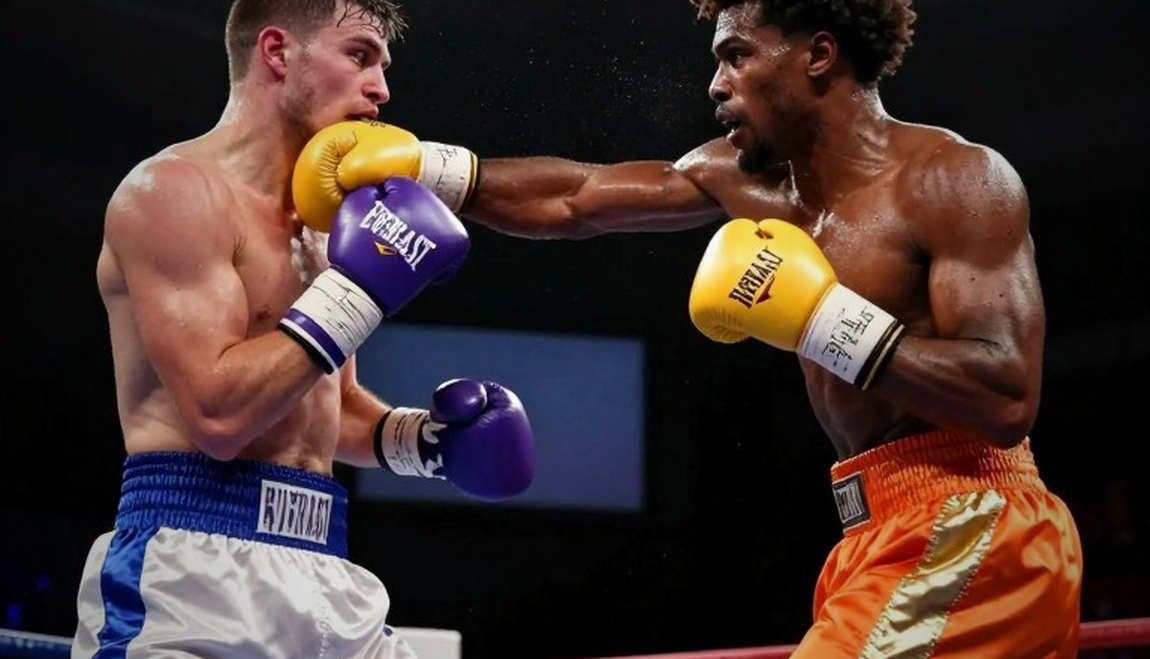
I have repeated one thing across four Olympic cycles and will repeat it now: Indian boxing does not need to be rediscovered, it needs to be read instead of counted. A quota is not the start of a story; it is an entry pass. The real scorecard records who paid to get that pass to the ring. The scoreboard is the last place a story hides — and Paris's scoreboard has already emptied.